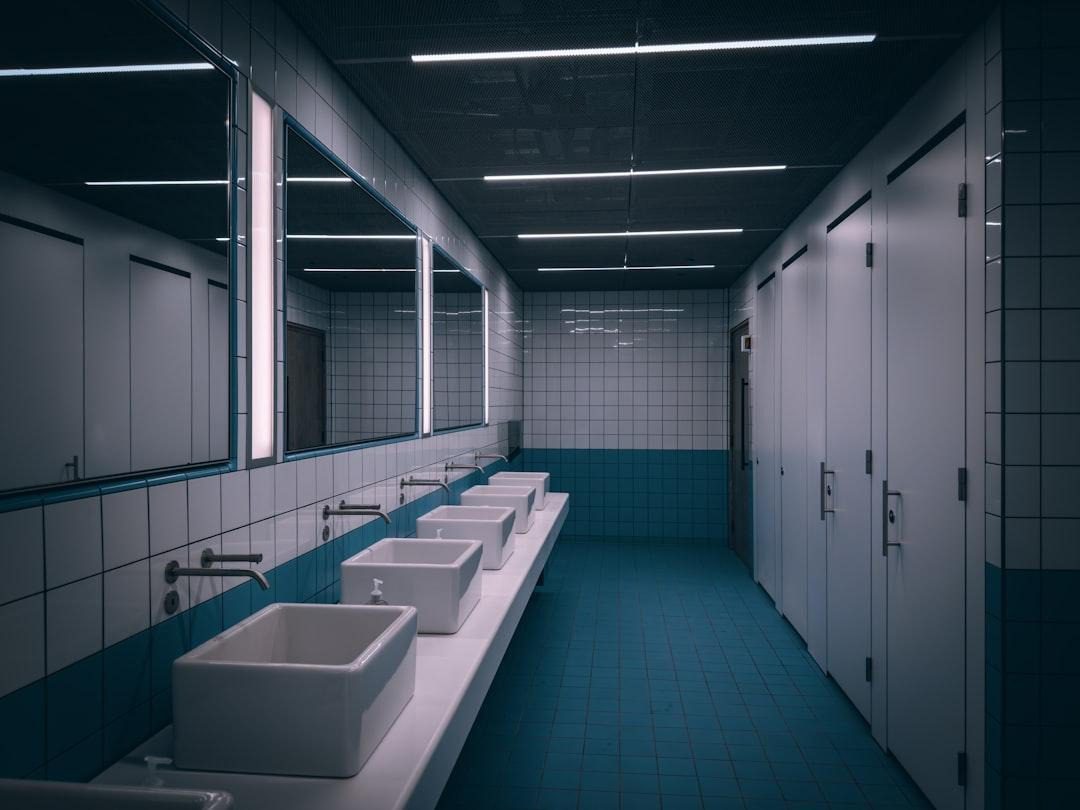

Restroom design is undergoing a shift in priorities heading into 2026. Privacy has moved from a quiet complaint to an explicit design objective. Some designers now describe the goal as an architecture of dignity.
That framing treats enclosure as a matter of respect rather than mere comfort. It reflects rising expectations among occupants and owners alike. The trend points clearly toward greater privacy.
What Is Driving the Shift?
The shift is driven by documented dissatisfaction with conventional stalls. Surveys showing widespread restroom anxiety have made the problem visible. Designers are responding to data rather than guesswork.
Changing cultural expectations reinforce the trend. People increasingly expect shared spaces to respect personal privacy. Restroom design is catching up to that expectation.
What Does Architecture of Dignity Mean?
Architecture of dignity describes designing restrooms that protect occupants from exposure. It treats privacy as a fundamental quality of the space, not an upgrade. The phrase captures a more human-centered approach.
An industry analysis of restroom design frames the elimination of the restroom door gap as the defining move in this architecture of dignity, and it documents how full enclosure is becoming the expected standard. The report positions privacy as central to modern restroom design.
The approach prioritizes full-height panels and gap-free doors. These features deliver the enclosure occupants have long wanted. Dignity, in this view, is built into the hardware.
What Features Define the Trend?
Several features characterize the move toward greater privacy. The elements defining current design include:
- Floor-length doors that remove the gap beneath stalls
- Overlapping edges that close hinge and latch sightlines
- Full-height panels for complete visual enclosure
- Occupancy indicators that reduce awkward encounters
- Materials chosen for durability and clean appearance
These features convert privacy from aspiration to specification. They reflect what surveys say occupants want. Together they define the emerging standard.
How Are Standards Changing?
Design standards are gradually rising toward fuller enclosure. What was once premium is becoming a baseline expectation. Specifications increasingly call for zero-sightline performance.
Sectors like healthcare and education are pushing this change. Their elevated privacy needs influence broader practice. The standard set there tends to spread outward.
How Should Designers Respond in 2026?
Designers should treat full enclosure as the default rather than an option. Specifying gap-free, full-height systems aligns with where the field is heading. The approach meets both data and expectation.
Framing privacy as dignity helps build support for the investment. It positions enclosure as a values-driven choice. That framing resonates with owners and occupants alike.
How Does Technology Factor In?
Technology is beginning to support the privacy trend in modest ways. Clear electronic occupancy indicators reduce awkward encounters at stall doors. These additions complement the physical enclosure rather than replace it.

Touchless fixtures and improved hardware also feature in modern designs. They contribute to a restroom that feels considered throughout. Privacy remains the core, with technology playing a supporting role.
What Does the Trend Mean for Owners?
For building owners, the trend signals a rising baseline expectation. Restrooms that still feature visible gaps increasingly look dated. Meeting the new standard protects a property’s impression.
Investing in enclosure now positions a building well for the years ahead. The cost is modest relative to the daily benefit. Owners who act early stay ahead of the expectation curve.
The architecture of dignity captures a real shift toward restrooms that protect occupants from exposure. Eliminating the gaps in conventional stalls is becoming the expected standard.
Which Sectors Are Adopting This Standard Fastest?
Hospitality and premium office developments have been among the fastest adopters of full-enclosure restroom design, often using it as a visible marker of overall building quality to prospective tenants and guests. These sectors tend to have both the budget flexibility and the competitive incentive to lead on this trend.
Public and institutional buildings tend to follow at a slower pace, constrained by longer capital cycles and tighter budgets. The gap between these sectors is narrowing but has not closed, meaning specification expectations still vary meaningfully by building type.
How Are Manufacturers Responding to Rising Demand?
Manufacturers have expanded their zero-sightline and full-enclosure product lines significantly in recent years, a direct response to rising specification demand from architects and facility owners. Product catalogs that once offered this as a premium option increasingly present it as a standard tier.
That expanded availability has also helped bring pricing down somewhat as production scales. What was once a costly custom order is increasingly a catalog item, which further accelerates adoption across a wider range of project budgets.
What Should a Building Expect Five Years From Now?
Industry observers tracking this trend generally expect full-enclosure design to become the default expectation across most commercial building types within the next several years, following a pattern common to other facility upgrades that began as premium features. Buildings specified today with older, gapped designs risk feeling dated well before the rest of the structure does.
Specifying ahead of that curve now, rather than waiting for it to become mandatory through code changes, gives building owners a head start on an expectation that appears likely to keep rising rather than plateau.
For designers, the practical lesson is to specify full enclosure as the new baseline. Privacy treated as dignity is where restroom design is clearly heading.