
For consumers, rising prices are everywhere.
Expected inflation costs have spiked from 3.8% in March to 4.8% this month, the largest one-month increase since last year, according to the University of Michigan’s April survey of consumers.
On top of inflated costs for everyday household goods, the indefinite United States-Israel war against Iran is also raising fuel surcharges for deliveries and airfares, and causing widespread economic uncertainty.
It’s no wonder then that consumers are frustrated and discouraged. We’re in unprecedented times. This April, the University of Michigan’s survey also reported its lowest-ever sentiment reading in its 70-plus-year history after consumer sentiment sank about 11% this month across income levels and political affiliations, with consumers reporting a significant increase in concerns over high prices and lower confidence in the value of their assets. Many of the surveyed consumers blamed the U.S. war against Iran for these costs.
One important way you can notice how inflation impacts you is through a cost that’s harder to see –– the sneaky surcharges businesses will often add when you check out that will raise the original price.
“It works because we are more sensitive to base prices,” said Vicki Morwitz, a marketing professor at Columbia University. “And so it’s a way of increasing the price without drawing as much attention to it.”
Online shopping features and the COVID pandemic accelerated this practice, and right now, “I think we are seeing a lot more of it because of inflation,” Morwitz said.
Here are some of the biggest surcharges you should watch out for right now –– and ways you can fight back:
Baggage Fees
If you want to check a bag right now, it will cost you extra. JetBlue, American, United, Delta, Southwest Airlines and Alaska Airlines have all recently announced increases in their checked baggage fees, citing volatile jet fuel costs amidst the Iran war.
JetBlue, for example, said it was increasing fees due to “rising operation costs.” Baggage prices will increase by either $4 or $9, so in the U.S., Caribbean and Latin America, the first checked bag will now cost $39 during “off-peak” travel and $49 during “peak” seasons.
Katy Nastro, a travel expert and spokesperson for Going, a company that tracks airfare deals, said JetBlue’s seasonal pricing for fees is also a “sleight of hand” consumers need to be aware of. “If you’re flying on JetBlue, one day could make the difference between $4 and $9, which is really crazy. Especially if you’re checking multiple bags, that can add up,” she said. “Everybody forgets, bag fees are not just round-trip, they’re both ways.”
Don’t expect this rising baggage fee to go away anytime soon, either. “These are here to stay for the next year, at least,” Nastro said. “They typically go in the upward direction.”
If you still need that free first checked bag, getting a co-branded airline credit card that will include a free checked bag perk can be helpful for some families, Nastro said.

And if you’re looking to check multiple bags, it might be cheaper to simply ship your luggage ahead of you with services like LugLess or Send My Bag. These services are “sort of on par, if not a little bit cheaper when you’re looking at that second check bag fee,” Nastro said.

Credit Card Surcharges
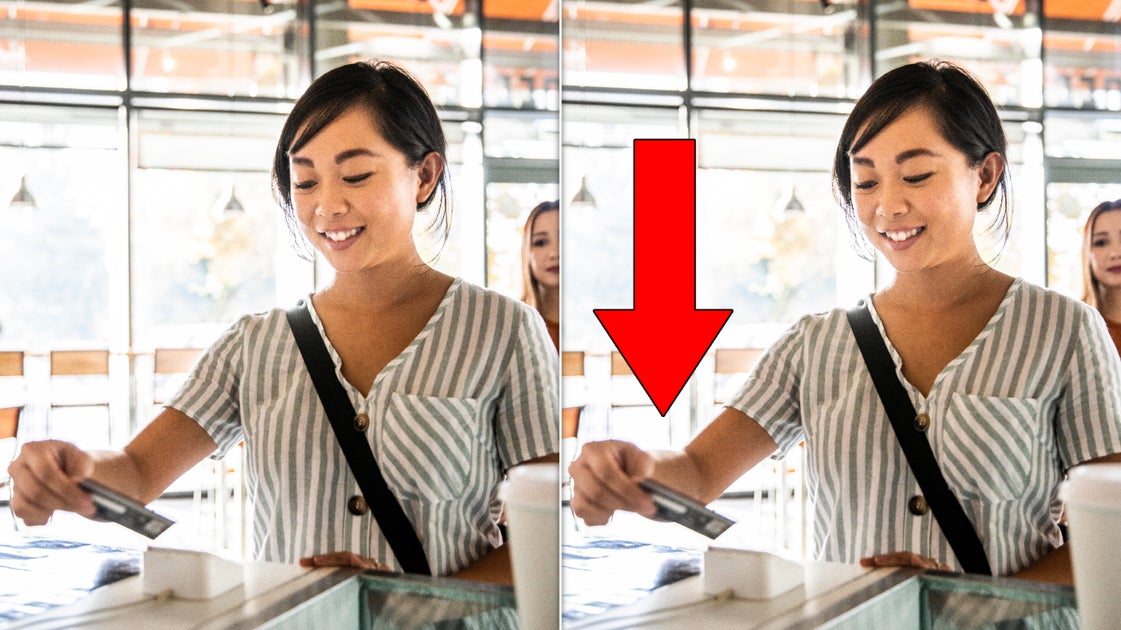
Simply using a credit card over paying in cash can cost consumers an extra 3% charge nowadays.
A 2026 JD Power study found that 35% of small businesses are adding surcharges for customer purchases made using credit cards.
Often, this extra fee might be framed as a cash discount as opposed to a credit card surplus, which makes consumers believe “I can save some money by paying cash” instead of understanding how they are being charged, Morwitz said.
Delivery Fees
The U.S. logistics and shipping economy runs on diesel gas, and Americans are starting to feel a war premium in prices due to the uncertainty of oil shipments during the Iran War.
In April, Amazon added a 3.5% fuel and logistics surcharge for third-party sellers due to “elevated costs in fulfillment and logistics,” according to the company. Similarly, the United States Postal Service also announced that it will impose its first-ever fuel and transportation surcharge, an 8% price increase on packages, including priority mail shipments, that is taking effect on April 16, 2026, through Jan. 17, 2027. FedEx and UPS also added fuel surcharge rates since the Iran war began.
Morwitz said she expects more of these delivery fees to get passed on to consumers through a fuel surcharge or an overall increase in price for a good. “It’s really at their discretion how they want to do it,” she said. “Sometimes they test it and see which has the least negative impact on demand.”
Hotel Fees
When you go to pay for your hotel stay this year, you may see more random charges for fees that raise your initial base price for your room rate.
Some of these fees must be disclosed up front. Since 2025, the Federal Trade Commission has banned bait-and-switch pricing for short-term lodging and ticketing fees, so a “resort fee” must be included in the total price.
Morwitz said there could also be surcharges like a “mini bar fee” just for “the mere presence of a mini bar.”
Sometimes, you can fight back against certain fees by negotiating with a hotel. Nastro suggests fighting back if you are charged for a “facility fee” for a gym you may never use, for example.
“See what they would say, sometimes they’ll take it off … especially for just a 24-hour stay where you check in late,” she said.
Overall, some of these fees are out of your control to avoid. “Until there’s regulation around some of these things, unfortunately, I think they will become the new normal,” Morwitz said about the increase in surcharges.
But simply noticing these hidden fees can help you do more price comparisons and avoid feeling like you have no choice but to pay.
“To the extent that you can slow down, be aware that not all competitors necessarily are charging these surcharges, nor are they doing so the same amount,” Morwitz said. Once you see what the total is, “there definitely is value in taking a minute or two” to see if there is a better deal elsewhere, she said.