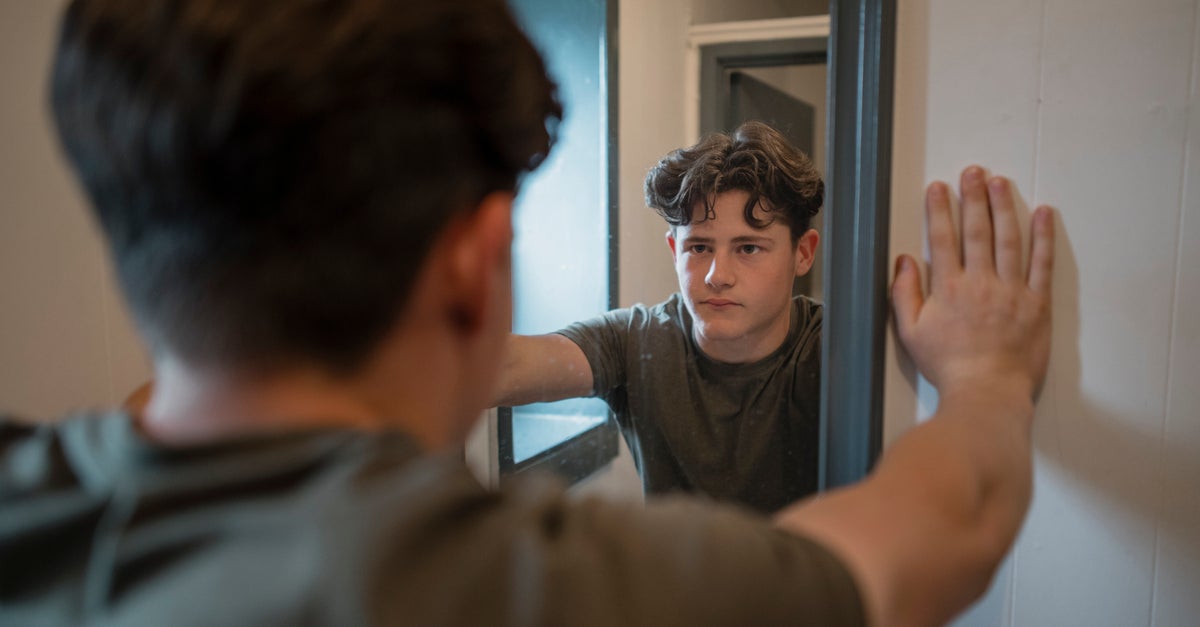

Parents today are generally aware of mental health conditions that relate to body image, including common disorders like anorexia. But experts warn a lesser-known issue is on the rise, particularly among boys: muscle dysmorphia, aka “bigorexia.”
“Bigorexia is a psychological condition and type of body dysmorphic disorder which involves a distorted self-image that focuses specifically on muscle size and physical appearance,” Kara Becker, a certified eating disorder therapist and national director of eating disorder programs at Newport Healthcare, told HuffPost.
With bigorexia, the afflicted person is obsessed with becoming more muscular and preoccupied with the idea that their body isn’t brawny enough ― even if they actually have the physique of a bodybuilder.
“Individuals may have an inaccurate view of their bodies, often believing they are smaller or less muscular,” said Amy Gooding, a clinical psychologist at Eating Recovery Center, Baltimore. “This belief and subsequent preoccupation can lead to unhealthy behaviors, including obsessive exercise, and may lead to changing one’s eating to be as lean as possible.”
Although muscle dysmorphia can affect anyone, it’s more common in males, and research suggests the disorder is on the rise. A 2019 study indicated that 22% of adolescent boys engaged in “muscularity-oriented disordered eating behaviors” in an attempt to bulk up or gain weight and found that supplements, dietary changes and even steroid use were common among young adult males.
“Eating disorders in boys are often under-recognized and under-diagnosed, said Jason Nagata, a pediatrician specializing in eating disorders in boys and men, who co-authored the study.
He noted that a recent Canadian study found that hospitalizations for eating disorders in male patients had risen dramatically since 2002.
“While there’s more awareness around eating disorders, muscle dysmorphia can be overlooked for several reasons ― one reason being that it can lead to behaviors often encouraged in the weight room,” Gooding said. “Lack of awareness of the disorder may lead to the disorder being missed in someone who is struggling, as this is one of the less well-known disorders. Those who struggle may hesitate to reach out for help due to shame, secrecy or the normalization of the behaviors in the community.”

SolStock via Getty Images
What’s fueling the rise of bigorexia in kids and young adults?
“There are many potential causes and influences, including biological, psychological and sociocultural factors that can contribute to the development of this disorder,” Becker said. “A family history of mental health conditions, especially disorders related to body image or anxiety, may increase the chance of developing bigorexia. Likewise, people with low self-esteem, perfectionism or obsessive-compulsive tendencies are more vulnerable to developing this disorder.”
Trauma and bullying are potential risk factors for bigorexia as well.
“Bodybuilders and other people who lift weights are at a higher risk than the general population,” Nagata said. “Competitive athletes are more at risk than noncompetitive athletes. Athletes who lift weights to change the appearance of their bodies are at higher risk than those who focused on improving performance.”
The experts who spoke to HuffPost agreed that one of the biggest factors contributing to the rise of bigorexia is the proliferation of social media.

“Not only are young people consuming body ideals from the media, but they feel pressure to produce content and display their own bodies on social media,” Nagata said. “Men’s bodies are on display more than ever on social media, especially through influencer accounts. Constant comparisons to these idealized bodies may lead to body dissatisfaction and bigorexia.”
The overemphasis on an idealized physical appearance in media and advertising is particularly harmful for younger boys, who might not fully appreciate that influencers and celebrities actually make their livelihood off images of their bodies. It’s a different reality that is unattainable (not to mention undesirable) for most people.
“TikTokers and other social media influencers are making millions of dollars by getting likes and followers, which they then invest in professional trainers, full-time chefs, and other experts to curate and maintain their image,” said Joseph J. Trunzo, a psychology professor and associate director of the School of Health & Behavioral Sciences at Bryant University in Rhode Island.
He pointed to celebrities such as Hugh Jackman, who has trained for hours a day and even undergone supervised dehydration regimens to transform his body for screen roles. “Most 15-year-old kids” do not think about these facts when they see images of Jackman looking ripped and instead might develop dissatisfaction with their own bodies, he explained.
And that’s not even taking into consideration the misleading role of filters, angles, poses, makeup and editing in those images.
“Influencers may take thousands of images and pick the best one, with the best lighting or enhancements, to curate the ideal version of themselves,” Trunzo added. “None of it is real. In short, we are constantly exposed to unrealistic, idealized and glamorized versions of the human body at a rate that we have never experienced before. In the hands of an impressionable young person, this is a very dangerous dynamic and recipe for psychological disaster.”
Comment sections also expose posters and viewers to harsh critiques about people’s bodies, which can fuel more insecurity and low self-esteem.
“For those struggling with muscle dysmorphia, seeing pictures and messaging on social media may cause a person to have harmful thoughts about the need to change their body,” Gooding said. “They may start to train more in the gym and worry about losing body fat to enhance their muscular bodies. Soon this training becomes excessive and obsessive.”
What can parents do?
There are many ways parents can help counteract the forces that fuel body image issues and psychological disorders like bigorexia.
“Limit social media consumption as much as possible, but recognize that you cannot eliminate it altogether,” Trunzo advised. “Your child will be exposed to these images, so talk to them about what they are seeing. Listen to what they say, how they interpret what they see, make sure they understand the reality behind what they are viewing and are not ‘buying’ the image.”
He also recommended emphasizing values of human worth and dignity that go beyond physical appearance. Focus on qualities like kindness, creativity, humor, etc.
“It’s important to provide support by creating a safe space for open conversations,” Becker said. “Be a positive role model by demonstrating a healthy attitude toward your own body and self-esteem.”
Pay attention to the comments you make about your own bodies in front of your children and the attitudes toward exercise and food you’re displaying. Be mindful of the kinds of messages your kids are getting from their entertainment and social media activity.
“Parents should challenge unhealthy and unhelpful messaging about ‘perfect bodies’ and social acceptance,” Gooding advised. “Body diversity should be discussed and praised. Conversations surrounding exercise should include messages about proper fueling, refueling, rest and balance in workouts.”
When images of buff celebrities appear on your child’s radar, provide context.
“I’ve been having conversations with my 9-year-old son like, ‘Let’s read what Hugh Jackman said about what he had to do to transform into Wolverine and look like this,’” said therapist Cherie Miller, who is CEO and clinical director at Nourished Soul Center for Healing. “It’s a chance to say, ‘You know, this isn’t normal, this isn’t realistic, and this is not something that we should try to attain.’”
She focuses “body respect” ― reminding her children that we care about our bodies and want to take care of them, so we do things like drinking enough water, getting enough sleep and eating a variety of foods. The goal is to avoid extremes and know that bodies are great because of the functions they serve in helping us live our lives.
“Talking about body diversity as a good and natural thing is important too,” Miller said. “Life would be boring if we all looked the same. So isn’t it great that we come at all sizes and shapes and colors. Look at all the different plants and animals in the world too.”
If parents believe their child is being bullied or teased about their appearance, they should take action.
“Early intervention and treatment are vital to stopping the progression of muscle dysmorphia,” Gooding said. “If a parent recognizes behavior that may cause concern for the child, parents should engage in conversation with their child about the thought process surrounding their exercise behavior.”
Nagata shared some typical warning signs for muscle dysmorphia, urging parents to take note if their child develops a preoccupation or obsession with weight, food, exercise or appearance in a manner that “worsens their quality of life and impairs their social, school or daily functioning.”
“For instance, some boys spend all of their waking hours exercising and feel guilty if they are not at the gym,” he said. “They may no longer eat with their families or friends because of rigid concerns about their nutrition and diet.”
If you suspect your child is starting to struggle with bigorexia, know that they are not alone and there are resources that can help.
“Boys with muscle dysmorphia or eating disorders should seek professional help,” Nagata said. “They can discuss these issues with a primary care pediatrician. Eating disorders and muscle dysmorphia are best supported by an interdisciplinary team including a mental health, medical and nutrition provider.”
Many professionals specialize in the treatment of body dysmorphia and even specifically muscle dysmorphia. Your child can learn to identify triggers, understand their thought process and learn ways to cope.
“The earlier this is dealt with, the better,” Trunzo said. “Left unchecked, the consequences can be life-altering.”