

Ireland’s basic income for artists has been made permanent after research showed that it boosted the economy. Other nations have similar schemes. With more homegrown artists now coming from privileged backgrounds and AI disrupting the creative industries, there are calls for the UK to follow suit
On the first weekend of July last year, Britain’s flatlining economy got a boost from two unlikely sources: heavy metal pioneers Black Sabbath and Britpop heroes Oasis. Who said rock ’n’ roll was dead?
Leaving aside for a moment the cultural significance of these iconic bands reuniting, there was an impact that could be measured in cold, hard economics.
Estimates suggest that Sabbath’s farewell gig in Birmingham – a city that has cut its arts budget to zero – injected £20m into the local economy. Meanwhile, the UK leg of Oasis’ tour, which kicked off in Cardiff the same weekend, provided a £1bn shot in the arm to the nation’s economy. Not bad for two bands whose members were on the dole before achieving rock star status.

For working-class creatives, music has long been an escape from hard lives. Less so these days. The record industry that propelled the likes of Sabbath and Oasis to fame is unrecognisable today. The collapse in physical record sales in the free-for-all streaming age has gutted the sector, leaving musicians struggling to make a living.
The loss of grassroots music venues – a third have closed in the UK over the last 20 years – has compounded the issue. Cuts to arts budgets have been similarly devastating, while the rise of generative AI poses further headaches for creatives of all stripes, not just musicians – and all that amid a cost of living crisis.
According to the charity Arts Emergency, such headwinds are having a disproportionate effect on working-class, disabled and minority ethnic artists, who have long been underrepresented in UK culture.
“It’s a time of great precarity for the cultural sector and society in general,” says Neil Griffiths, CEO of Arts Emergency. “Imagination and creation are products of time and space, but there isn’t the time and space anymore. Society is unequal, while culture is undervalued and underfunded.”
As a result, often only the privileged have time to create. “Just one in 10 people who work in culture in the UK are from a working-class background,” says Griffiths.

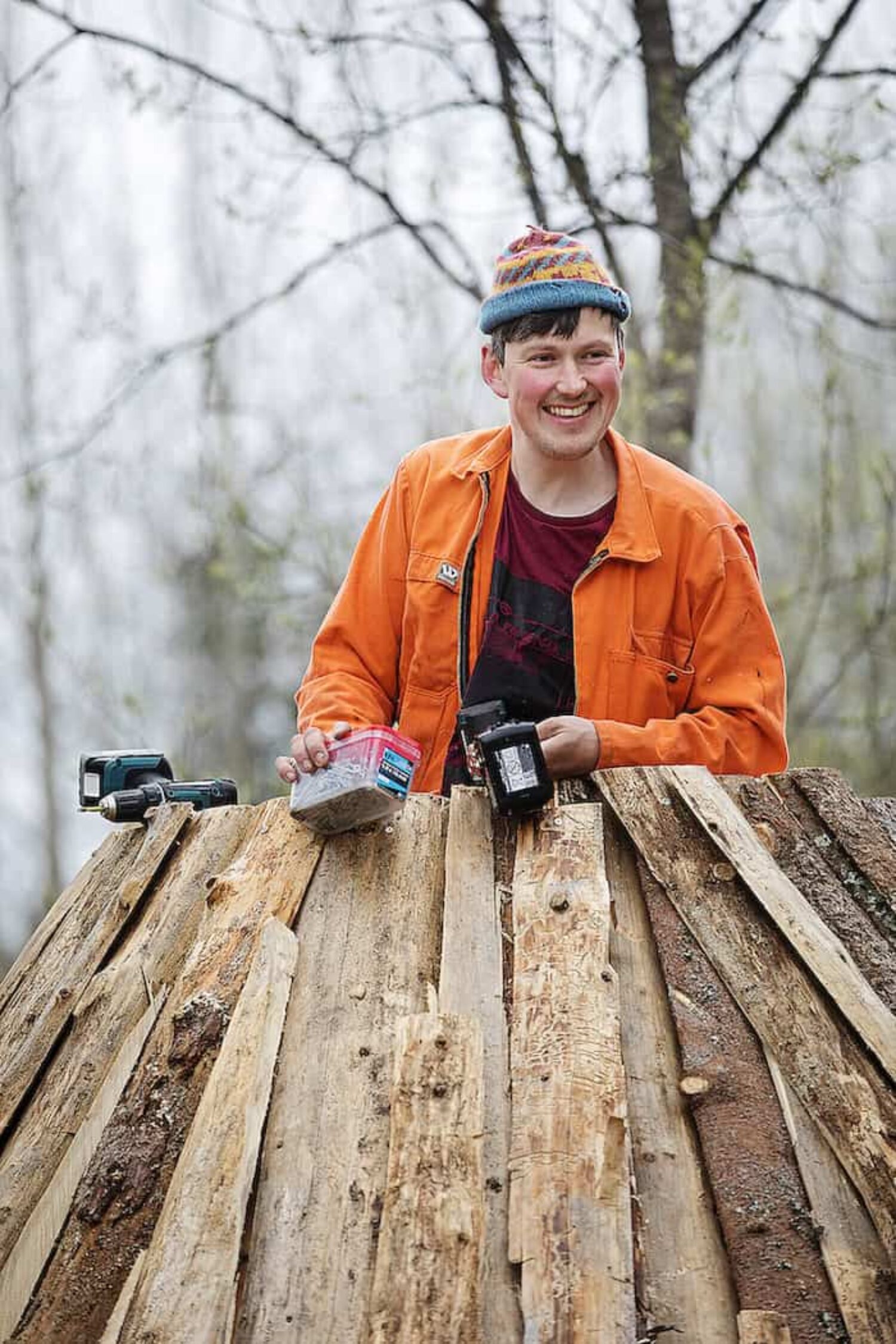
Artist Tobias Prytz is a beneficiary of Norway’s model for supporting artists, receiving around 330,000 NOK (£25,600) per year
For a country that glorifies Winston Churchill, the UK appears to have missed his memo on culture: “The arts are essential to any complete national life,” he said in a 1953 speech. “The nation owes it to itself to sustain and encourage them.”
Other nations recognise as much. In 2022, the Irish government trialled a first-of-its-kind basic income for artists to kickstart culture as the country emerged from the pandemic.
Offering participants a weekly stipend of €325 (£283), the €25m (£21m) pilot helped more than 2,000 artists. According to a study published last year, the scheme generated €100m (£87m) in “social and economic benefits” to Ireland’s economy, meaning it more than paid for itself.
Buoyed by the data, the Irish government made the scheme permanent in February. In the long history of basic income trials, it’s the first to become permanent.
Multimedia artist Elinor O’Donovan, from Cork, is among the 2,000 creatives to have benefitted from the scheme (though at the time of going to press she was unsure whether she would re-qualify).
Imagination and creation are products of time and space but there isn’t the time and space anymore
“I don’t want to sell this idea that artists are special creatures, or whatever, but to be able to do creative work, you need time and space to think, and often that kind of creative thinking is quite difficult,” says O’Donovan.
“Before I got [the income], I worked part-time as a receptionist just to be able to afford to pay my rent. Now I work full-time as an artist. The basic income has given me the flexibility that being an artist requires.”
The income, says O’Donovan, enabled her to experiment.
“It’s allowed me to take risks that I wouldn’t have taken otherwise. My work is better and more ambitious. I made a film for the first time and now filmmaking is a big part of what I do. Having the extra income meant that I was able to pay other people to work with me on my film.
The Irish scheme is not without critics. Some question whether the government should be funding artists at a time when other groups are slipping through the cracks. Homelessness in Ireland is currently at a record high. The scheme is also narrow in scope; while 2,000 artists benefitted, many more applied. Universal it is not.
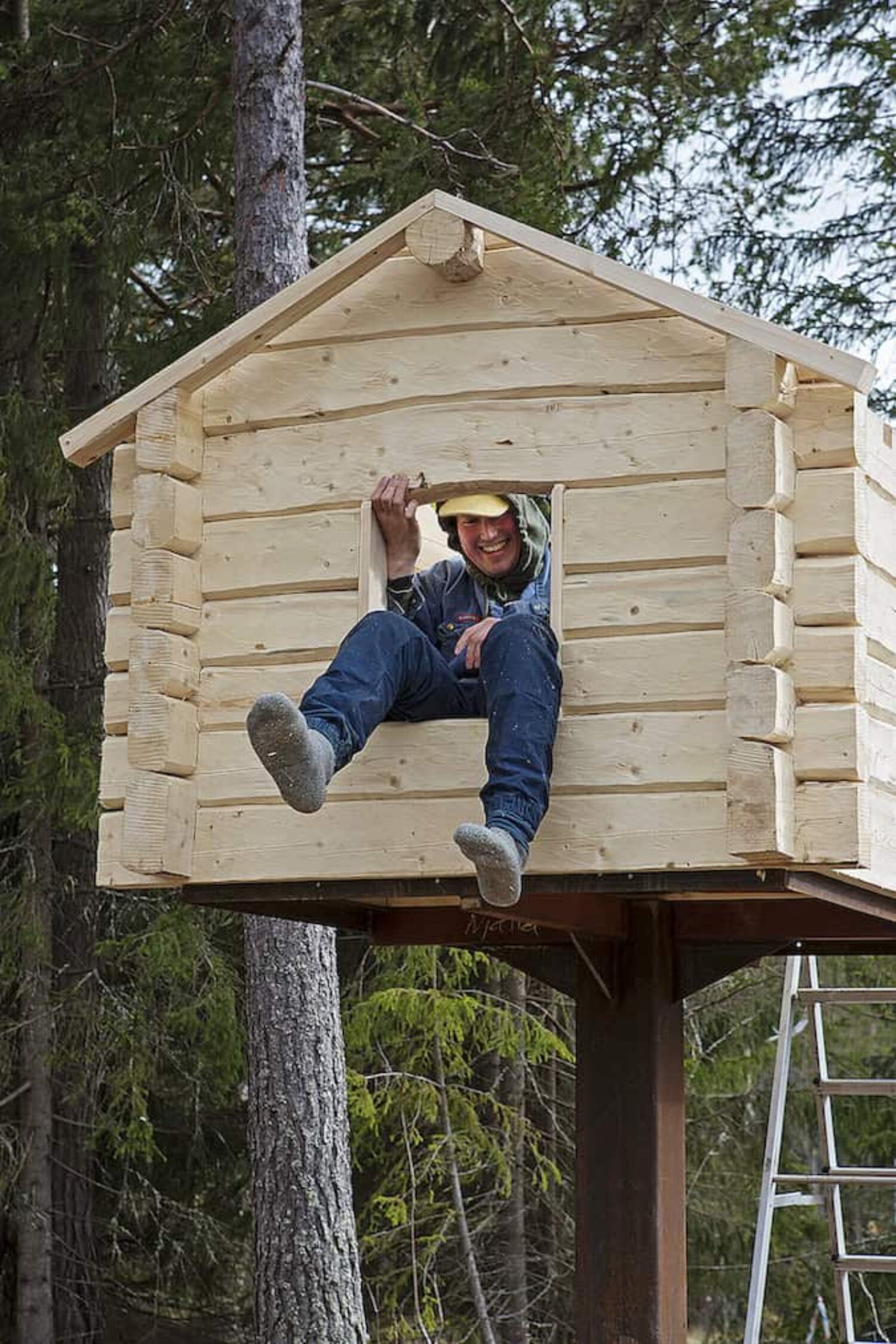
‘With all the shitty things that are happening in the world, to bring people together through culture has never been more important’ says Prytz
But, in an era when artwork is being used to train generative AI without their creators receiving any remuneration, Ireland’s scheme places a value on art and the people who produce it. “It’s so validating,” says O’Donovan.
While artists in the UK can apply for grants to help support their work, state funding for the arts has dried up in recent years. According to official data, local government funding for culture in England fell by 48% between 2009 and 2023. Similar declines were reported in Wales (40%) and Scotland (29%). This despite the arts sector contributing an estimated £10.6bn to the UK economy each year.
Like Ireland, Norway has pioneered its own model for supporting artists. A reboot of the traditional grant-funding concept, the statens kunstnerstipend programme offers a monthly salary to creatives for up to five years.
“It’s awarded to the practitioner rather than tied to a predefined project, and may be freely used for livelihood, exploration and production,” explains Trude Gomnæs Ugelstad, head of the committee for the scheme. “This design recognises that artistic development, like other research, depends on open-ended inquiry, long-time horizons and freedom to pursue directions whose outcomes cannot be fully specified in advance.
The scheme means that I don’t have to worry about money so I have more time to write my play
Artist Tobias Prytz, who creates large-scale installations using timber, is one beneficiary. He receives around 330,000 NOK (£25,600) per year, which is roughly half Norway’s average salary.
“At first I thought ‘who am I to get this money?’,” he says. “But it has given me space to develop as an artist without having to hustle between jobs. I don’t have to compromise my art.
“With all the shitty things that are happening in the world, to bring people together through culture has never been more important,” he says.
With research showing that engaging with culture improves health outcomes, governments have a motive beyond hard economics to support creatives. And while not every basement band will go on to be the next big thing, grassroots artists don’t need to sell out stadiums to enrich the cultural fabric of a nation.
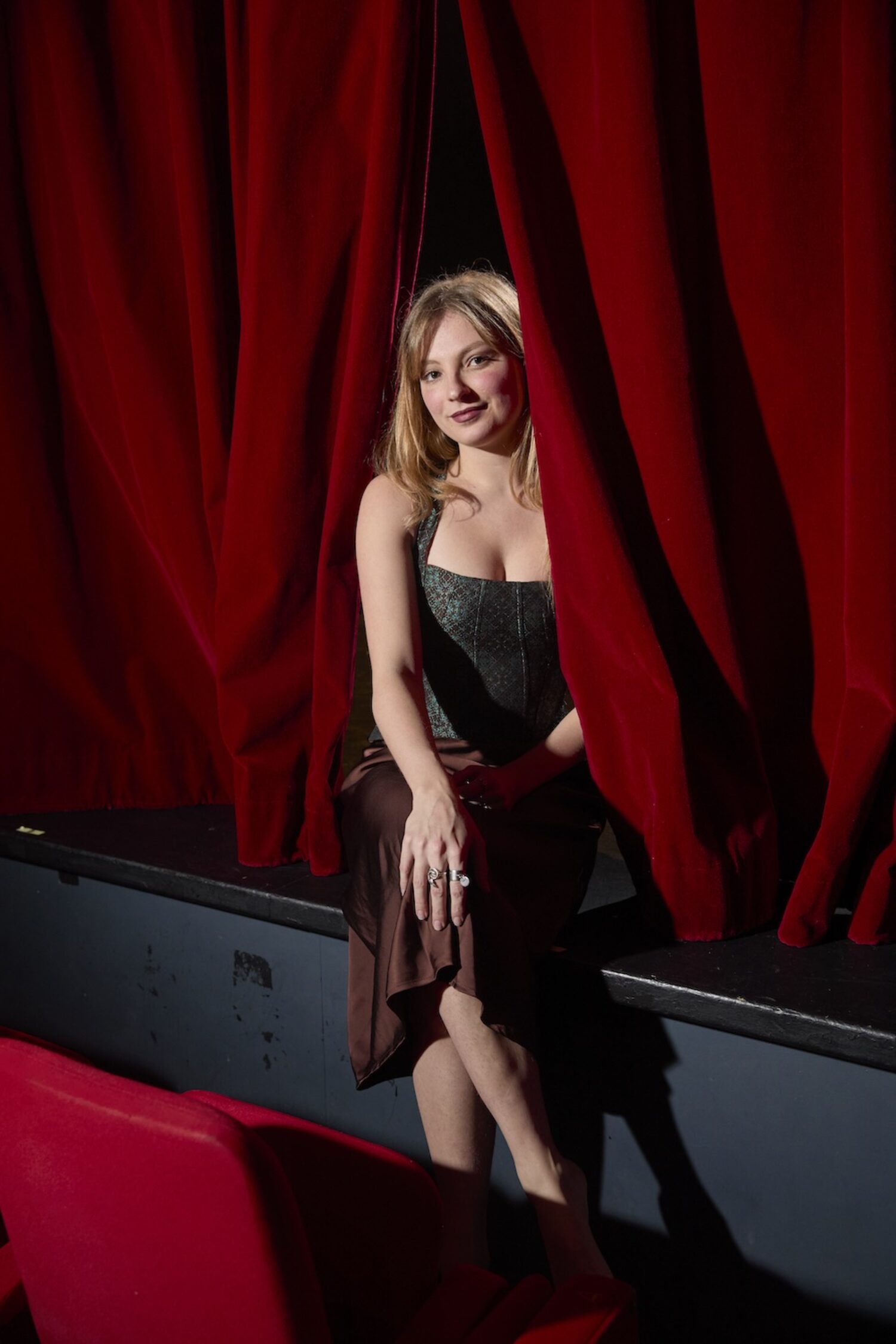
Parisian playwright Esther Hammecker’s show was made possible in part by France’s income support scheme for artists
Parisian playwright Esther Hammecker is a case in point. In March, she put on her debut show in La Villette, Paris’s new cultural quarter where the city’s abattoirs used to be located. Her play – Scandaleuse, The Story of Cabaret – explores the lesser-told history of French cabaret, and was made possible in part by France’s income support scheme for artists.
“The idea that many people have of cabaret is influenced by the American vision of it, which is extremely extravagant,” she says. “But traditional French cabaret is basically just someone singing in a bistro while people have their meal. It’s more laid back, which is sort of what we’re going to do.”
Hammecker, who works part-time as an actor in a local theatre, La Scène Parisienne, is enrolled on France’s intermittents du spectacle scheme. The programme is an unemployment insurance scheme that allows performing artists and people in the entertainment industry to receive benefits during quieter periods. To qualify, participants must rack up 507 hours working in the cultural sector over a year.
“I only work at the theatre in the evenings and at weekends, so I have whole days to work on my projects,” she says. “[The scheme] means that I don’t have to worry about money or working other jobs, so I have more time to do my play.”
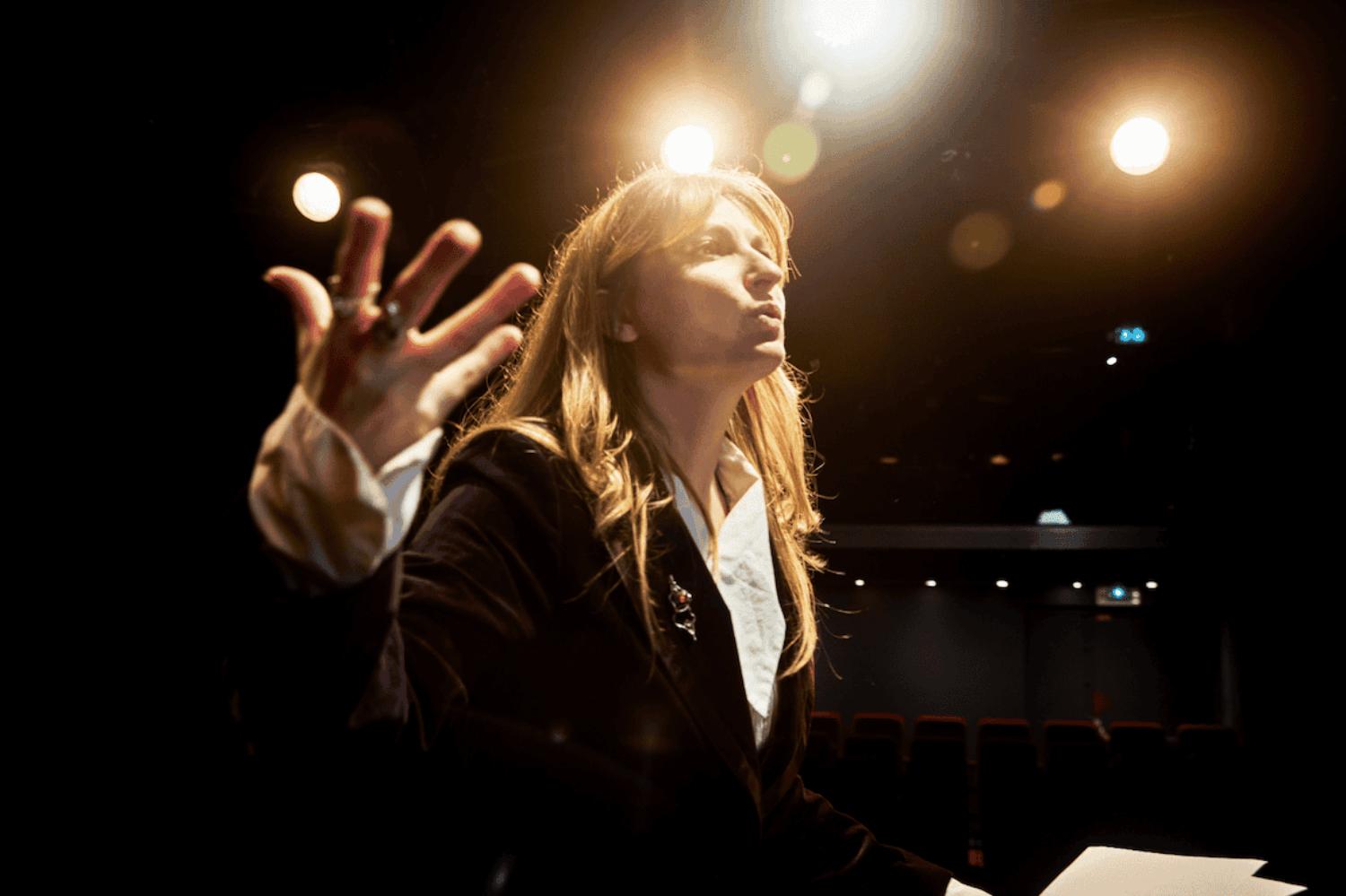
To qualify for the French scheme, participants must work 507 hours per year in the cultural sector
The scheme is still “stressful”, she admits. “You need to constantly find a new contract to meet your minimum hours. But it’s a blessing. I’m grateful.”
Given the parlous state of grassroots culture in the UK, and the myriad barriers faced by marginalised artists, there are calls to introduce a similar scheme to Ireland’s over here.
“There are risks,” admits Griffiths. “Will it capture people who are already privileged enough to be artists? Will it just be a Band-Aid when we need real structural change? And why just artists? We all need a safety net.”
“But,” he adds, “I think a basic income for artists is a pure necessity if we’re going to have anything like a thriving culture in this country. It’s vital that artists have the security and safety they need to be artists.”
Photography by Denis Vahey, Robbie Lee and Arne Terje Sæther
Be part of the solution
At Positive News, we’re not chasing clicks or profits for media moguls – we’re here to serve you and have a positive social impact. We can’t do this unless enough people like you choose to support our journalism.
Give once from just £1, or join 1,800+ others who contribute an average of £3 or more per month. Together, we can build a healthier form of media – one that focuses on solutions, progress and possibilities, and empowers people to create positive change.