
Close Menu

    Subscribe to Updates

    Get the latest creative news from FooBar about art, design and business.

    What's Hot

    Can You Freeze Stuffing? See What Food Experts Say

    November 26, 2026

    Stop Using AI as an Excuse for Layoffs. Here’s How to Use AI to Retain Talent Instead

    November 26, 2026

    The Key AI Terms You Should Know

    November 26, 2026
    Facebook X (Twitter) Instagram
    Trending
    • Can You Freeze Stuffing? See What Food Experts Say
    • Stop Using AI as an Excuse for Layoffs. Here’s How to Use AI to Retain Talent Instead
    • The Key AI Terms You Should Know
    • Animal Spirits: The Stock Market is Too Big to Fail
    • A Closer Look at Student Mental Health Funding in New Jersey
    • CRM for political campaigns: Key terms and FAQs answered
    • 1Password said hackers broke into its internal systems, but customer passwords are safe
    • U.S. airlines retire long-haul first class, but business class grows
    Facebook X (Twitter)
    SBM Global News
    Demo
    • Home
    • Top Stories
      • Politics
    • Business
      • Small Business
      • Marketing
    • Finance
      • Investment
    • Technology

      The Key AI Terms You Should Know

      November 26, 2026
      Read More

      1Password said hackers broke into its internal systems, but customer passwords are safe

      November 26, 2026
      Read More

      Figma employee sues, alleging company forced her to confront harassers

      November 24, 2026
      Read More

      Why data centers are at the center of the Big Tech backlash

      November 23, 2026
      Read More

      Startup sues Apple in India over tap-to-share contacts feature

      November 21, 2026
      Read More
    • Lifestyle
      • Travel
    • Feel Good
    • Get In Touch
    SBM Global News
    Demo
    Home»Health»Commonly Used “E” Food Additives Can Increase the Risk of Heart Disease
    Health

    Commonly Used “E” Food Additives Can Increase the Risk of Heart Disease

    By Staff WriterMarch 26, 20243 Mins Read
    Facebook Twitter LinkedIn Reddit Email
    #image_title
    Share
    Facebook Twitter LinkedIn Pinterest Email

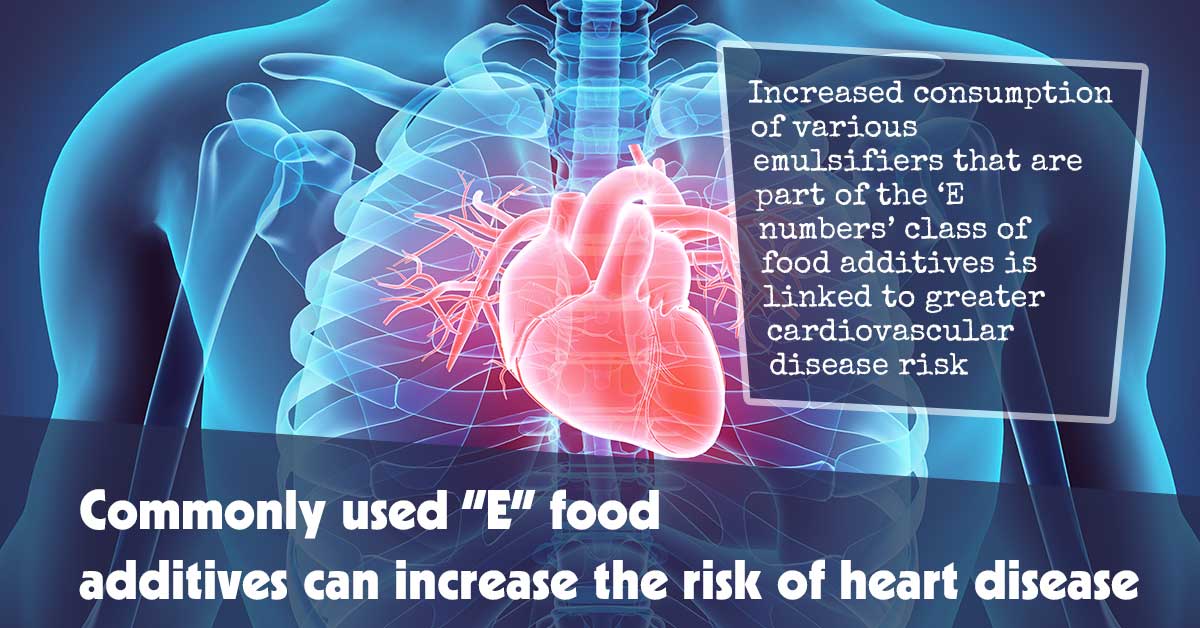
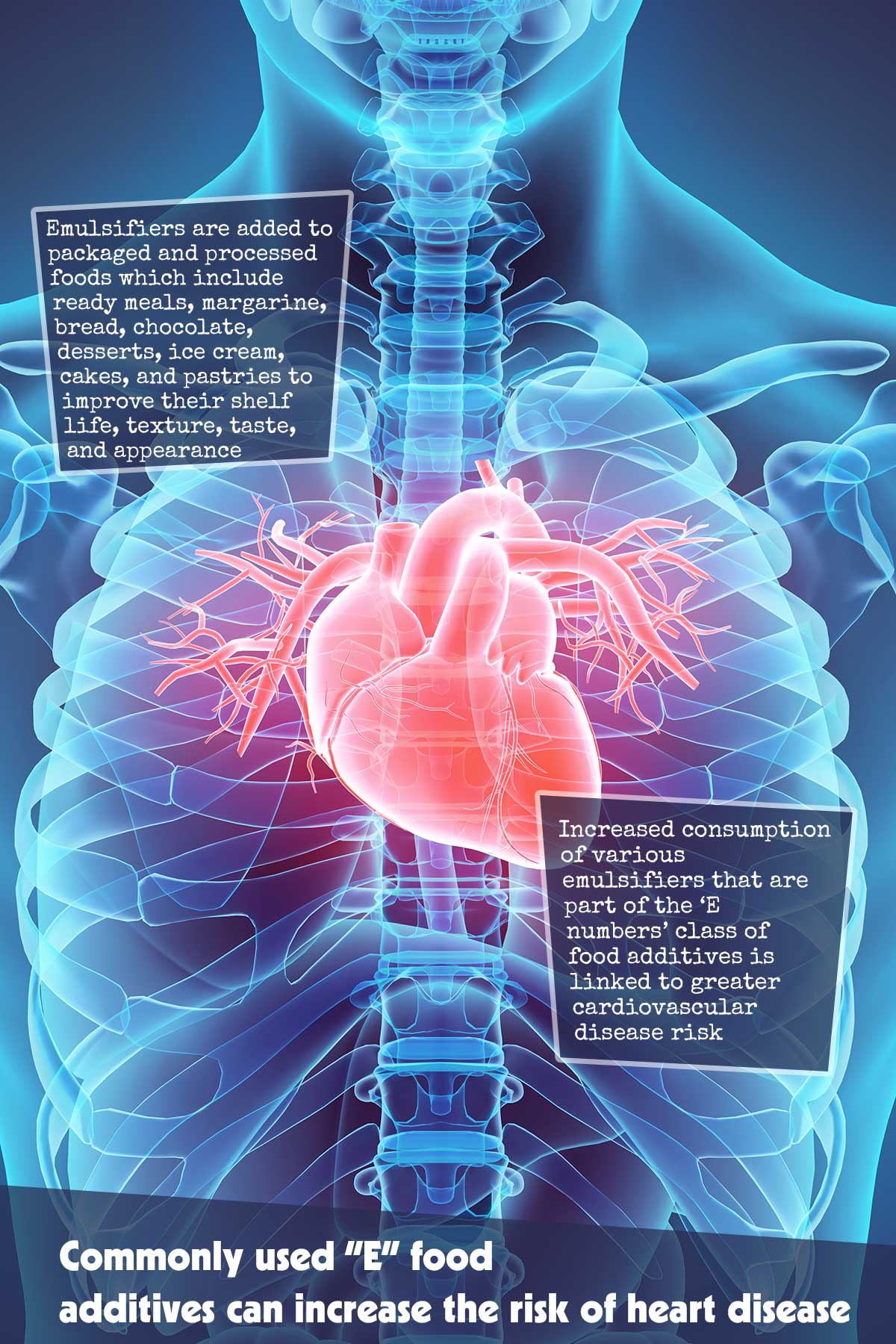
    A study has indicated that increased consumption of various emulsifiers that are part of the ‘E numbers’ class of food additives, commonly made use of in processed foods to enhance texture and prolong shelf-life, is linked to greater cardiovascular disease risk.

    DOI: 10.1136/bmj-2023-076058

    These results have significant implications for public health considering that these food additives are made use of everywhere in thousands of commonly eaten processed food products.

    Emulsifiers are added to packaged and processed foods which include ready meals, margarine, bread, chocolate, desserts, ice cream, cakes, and pastries to improve their shelf life, texture, taste, and appearance.

    They include pectins, gums, phosphates, red seaweed-derived carrageenans used for thickening foods, lecithins, modified starches, mono- and diglycerides of fatty acids, and celluloses.

    Just like with all food additives, emulsifier safety is frequently evaluated according to the available evidence, but several recent studies suggest that gut bacteria is disrupted by emulsifiers and inflammation is increased, resulting in potentially higher susceptibility to cardiovascular issues.

    The researchers evaluated the connections between emulsifier exposure and cardiovascular disease risks, such as cerebrovascular disease and coronary heart disease, conditions that affect blood vessels and blood flow in the brain and heart.

    Their results are based on 95,442 individuals aged 43 years on average,79% were women, without any heart disease history who were participating in the NutriNet-Santé study.

    The individuals completed a minimum of 3 (and as many as 21) 24-hour dietary records online throughout the first 2 years of monitoring. The consumption of each beverage and food item was then matched against 3 databases at the brand level to determine if any food additive was present and how much. Lab tests were also carried out to provide quantitative data.

    Individuals were also requested to document any significant cardiovascular disease event, which included stroke or heart attack, which was confirmed by an expert panel after medical records were reviewed.

    Deaths associated with cardiovascular disease were also documented making use of the national death register, and various well-known heart disease risk factors such as sex, age, BMI, physical activity levels, smoking status, family history, educational level, and quality of diet (e.g. alcohol intake, salt, sugar, energy) were factored in.

    After a monitoring period of 7 years on average, increased consumption of carboxymethylcellulose (E466), cellulose (E460), and total celluloses (E460 to E468) were positively linked to increased cardiovascular disease risks, especially coronary heart disease.

    Increased consumption of diglycerides and monoglycerides of fatty acids (E472 and E471) were linked to increased risks of all outcomes examined.

    Lactic ester of diglycerides and monoglycerides of fatty acids (E472b) was linked to increased cerebrovascular diseases and cardiovascular disease risks, and citric acid ester of diglycerides and monoglycerides of fatty acids (E472c) was linked to increased coronary heart disease and cardiovascular disease risks.

    Demo

    Increased consumption of trisodium phosphate (E339) was linked to a higher coronary heart disease risk as well. There wasn’t any evidence of a link between the other emulsifiers examined and any cardiovascular conditions.

    This is just one observational study, so cause can’t be established, and some study limitations were acknowledged by the researchers such as higher educational background, the high ratio of women, and generally more health-conscious behaviors among the individuals participating in the study in comparison to the general population, that might limit the reliability of the results.

    Nonetheless, it was a huge study sample and a large variety of potentially influential factors were adjusted for, while detailed brand-specific food additive data was made use of. Also, the results remained unchanged after additional testing.
    Commonly Used E Food Additives Can Increase The Risk Of Heart Disease


    View original article here

    Share. Facebook Twitter LinkedIn Email Reddit
    Previous ArticleUse of Abortion Pills Has Risen Significantly Post Roe, Research Shows
    Next Article This Unusual Approach Helps Me Beat Procrastination 99% Of The Time · Primer

    Related Posts

    My Husband Became My Caretaker. It Ruined Our Marriage.

    November 25, 2026
    Read More

    6 Everyday Activities That Naturally Release Dopamine In Your Brain

    November 23, 2026
    Read More

    Experts Explain The Link Between ADHD And Task Paralysis

    November 22, 2026
    Read More
    Add A Comment

    Leave A Reply Cancel Reply

    Demo
    Top Posts

    Former FBI, CIA Head Has ‘Serious Concerns’ With Trump Cabinet Picks

    December 28, 2024437

    Emirates to operate next-gen A350 on the third daily service to Cape Town

    January 14, 2026261

    AAVE Price Prediction: Target $215-225 by Mid-January 2025 as Technical Indicators Signal Bullish Momentum

    December 15, 2025240

    Wall Street Slumps As Alphabet, Qualcomm And Other Tech Stocks Fall

    February 7, 2026212
    Don't Miss
    Lifestyle

    Can You Freeze Stuffing? See What Food Experts Say

    By Staff WriterNovember 26, 202631 Mins Read

    The turkey is carved, the table is a mess, and there is still a full…

    Read More

    Stop Using AI as an Excuse for Layoffs. Here’s How to Use AI to Retain Talent Instead

    November 26, 2026

    The Key AI Terms You Should Know

    November 26, 2026

    Animal Spirits: The Stock Market is Too Big to Fail

    November 26, 2026
    Stay In Touch
    • Facebook
    • Twitter
    Demo
    Find More
    Trending News
    • Can You Freeze Stuffing? See What Food Experts Say
    • Stop Using AI as an Excuse for Layoffs. Here’s How to Use AI to Retain Talent Instead
    • The Key AI Terms You Should Know
    • Animal Spirits: The Stock Market is Too Big to Fail
    • A Closer Look at Student Mental Health Funding in New Jersey
    • CRM for political campaigns: Key terms and FAQs answered
    • 1Password said hackers broke into its internal systems, but customer passwords are safe
    • U.S. airlines retire long-haul first class, but business class grows
    • Black Friday and Cyber Monday 2026 Tech Deals Live Blog
    • My Husband Became My Caretaker. It Ruined Our Marriage.
    Other News
    • Business
    • Feel Good
    • Finance
    • Fitness
    • Health
    • Investment
    • Lifestyle
    • Marketing
    • Politics
    • Small Business
    • Technology
    • Top Stories
    • Travel
    About Us

    Small Business Minder brings together business and related news from around the world in one place. Follow us for all the business news you'll need.

    Facebook X (Twitter)
    Our Picks

    Can You Freeze Stuffing? See What Food Experts Say

    November 26, 2026

    Stop Using AI as an Excuse for Layoffs. Here’s How to Use AI to Retain Talent Instead

    November 26, 2026
    Most Popular

    Former FBI, CIA Head Has ‘Serious Concerns’ With Trump Cabinet Picks

    December 28, 2024437

    Emirates to operate next-gen A350 on the third daily service to Cape Town

    January 14, 2026261
    Categories
    © 2026 Small Business Minder
    • Home
    • Get In Touch

    Type above and press Enter to search. Press Esc to cancel.

    Ad Blocker Enabled!
    Ad Blocker Enabled!
    Our website is made possible by displaying online advertisements to our visitors. To get the most from our site, please disable your Ad Blocker.