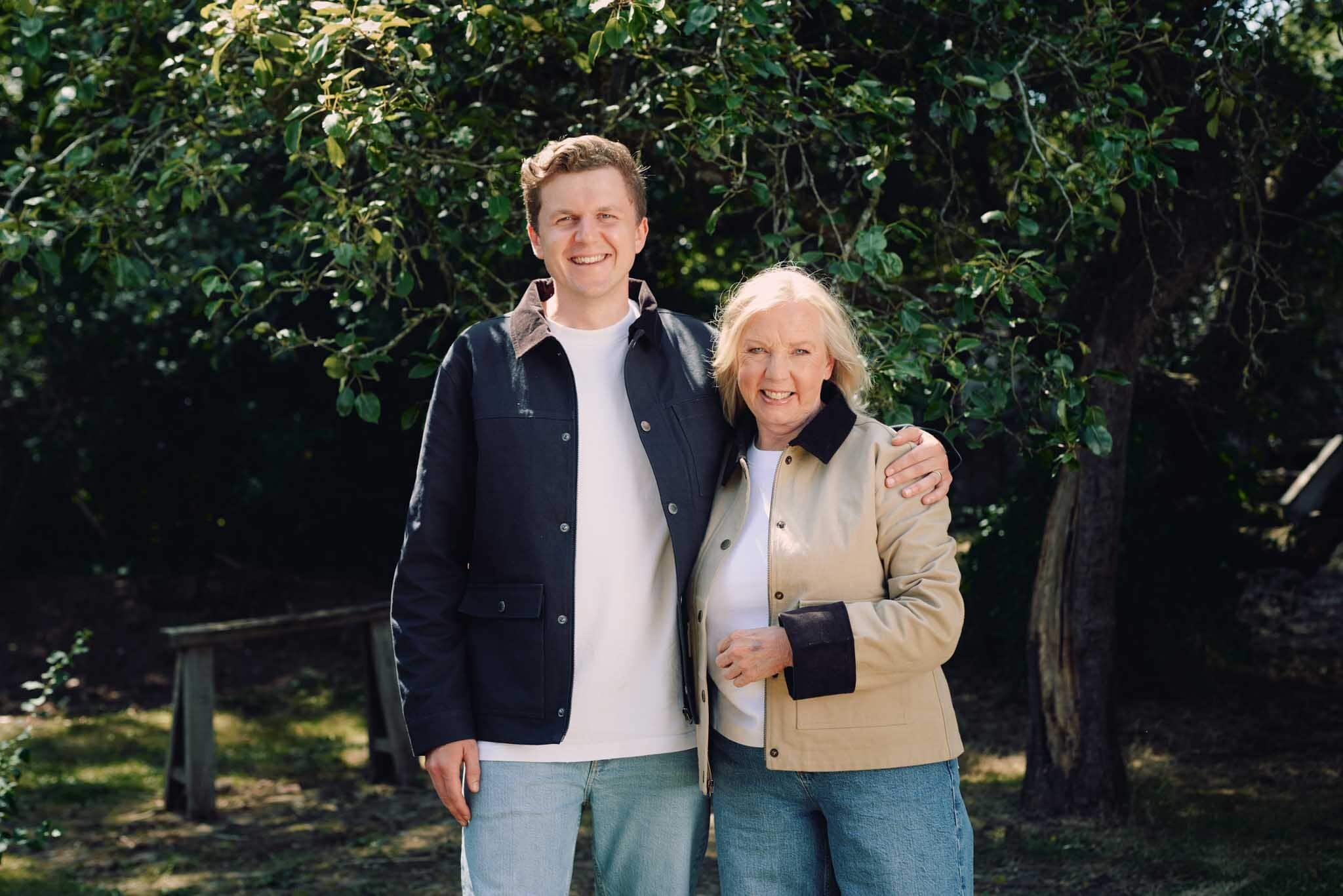

Yes Friends has built a clothing brand around lower prices and better pay for garment workers. A Dragons’ Den investment is about to put its model to a bigger test
For years, affordable fashion has been associated with the rapid production of cheap clothes, low wages and a throwaway approach to consumption. Bristol-based clothing company Yes Friends is attempting a different approach, selling clothes at relatively accessible prices while building worker pay and lower-impact materials into its business model.
Founded in 2021, the company launched with a £7.99 T-shirt that it described as sustainably and ethically made, and has since expanded its range to include everything from underwear to corduroy jackets. Its stated aim is to make clothing produced to higher environmental and labour standards accessible to people who might otherwise be priced out.
Yes Friends is hardly the only clothing company promising a more ethical alternative to fast fashion, but the brand is now facing an interesting test. Earlier this month, founder Sam Mabley appeared on BBC’s Dragons’ Den and secured £20,000 from Deborah Meaden in exchange for 2% of the business – twice the amount he originally asked for. The investment and exposure give Yes Friends a chance to see whether a model built around relatively low prices and additional payments to garment workers can retain those principles as it grows.
“There’s a big myth going around the fashion industry that it’s expensive to make ethical clothing,” says founder Sam Mabley. “We’re running a profitable business selling ethical clothing at affordable prices so I think we’ve proved that it doesn’t need to be expensive.”
“We’ve only really put into practice what all the research has been saying. It’s not news to the industry that it’s affordable to pay living wages, that’s not a radical thing to say,” Mabley continues. “Every brand should be doing it, regardless of price point.”
One way Yes Friends has sought to increase the amount reaching garment workers is through a tipping scheme, which allows customers to add a contribution at checkout. Alongside what the company describes as a living-wage premium, the scheme has raised more than £56,000 for garment workers to date.
There are limitations to the model. The premium does not necessarily mean that every worker at its supplier factories is paid a living wage by their employer. Instead, Yes Friends says that where the lowest-paid workers fall below its calculated living-wage benchmark, it pays an additional premium for the garments it orders. The company says it checks that payments reach workers through measures including payslips and signed receipts.
The distinction is significant because certification alone does not necessarily guarantee that garment workers receive a living wage. Yes Friends uses Fairtrade and organic cotton and holds certification under the Global Organic Textile Standard (GOTS), an independent standard covering the processing of organic fibres and including environmental and social criteria. Ethical fashion directory Good On You currently gives Yes Friends its highest “Great” rating, citing its supply-chain tracing and approach to wages.

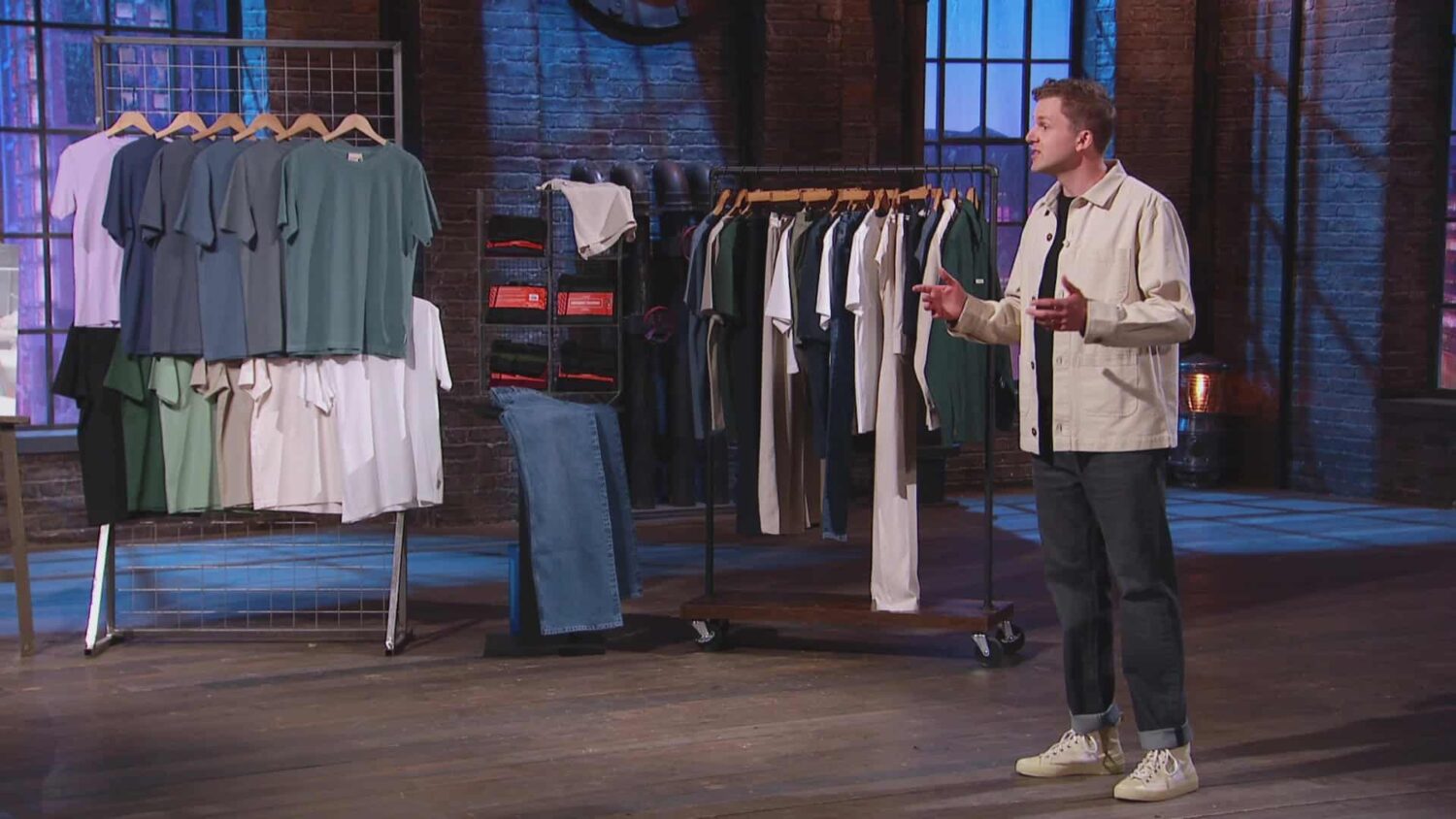
Founder Sam Mabley appeared on Dragon’s Den to pitch his brand. Image: Yes Friends
Meaden says she was impressed by what the company had achieved so far. “I was quickly impressed by both the high quality of the clothing and the impact that Yes Friends has already had, and knew this was a business I wanted to be a part of. I’m excited to see the brand continue to transform the fashion industry.”
The investment comes as governments and cities increasingly scrutinise the environmental and social costs of fast fashion. France has introduced measures targeting the sector, including restrictions on advertising, while Bristol city council this month announced limits on advertising for fast fashion alongside products including SUVs, cruises and fossil fuels on council-owned sites.
Mabley believes changing the materials used to make clothes will also be necessary if fashion is to reduce its environmental impact, but says the industry ultimately needs to move further towards a circular model in which clothes and their materials remain in use for longer.
“That’s going to be a big part of the sustainability conversation,” he says.
Every brand should be doing it, regardless of price point
For Yes Friends, the next stage will provide a test of whether its approach can survive growth. £20,000 is a relatively modest investment for a clothing business, but the exposure from Dragons’ Den and Meaden’s involvement potentially give the company a much larger audience, bringing with it the challenge of increasing production without diluting the standards on which it has built its reputation.
Mabley’s ambitions go beyond his own company, although changing practices across a global industry would require action on a far greater scale.
“We want to be the brand at the forefront of championing change across the industry and working with other brands to do that as well, because we’re very aware that one brand is not going to do it on their own, it’s going to be brands together.”
Images: Sam Mabley / Yes Friends
Because the world needs it
Positive News reports on the people and ideas driving progress. We believe that giving attention to solutions helps them spread.
Our journalism is independent and powered by our readers. There are no media moguls or shareholders extracting profits: your contribution funds our work to investigate what’s working, understand why, and bring those stories to a wider audience.
If you value a fuller picture of what’s happening in the world, please become a Positive News supporter today.