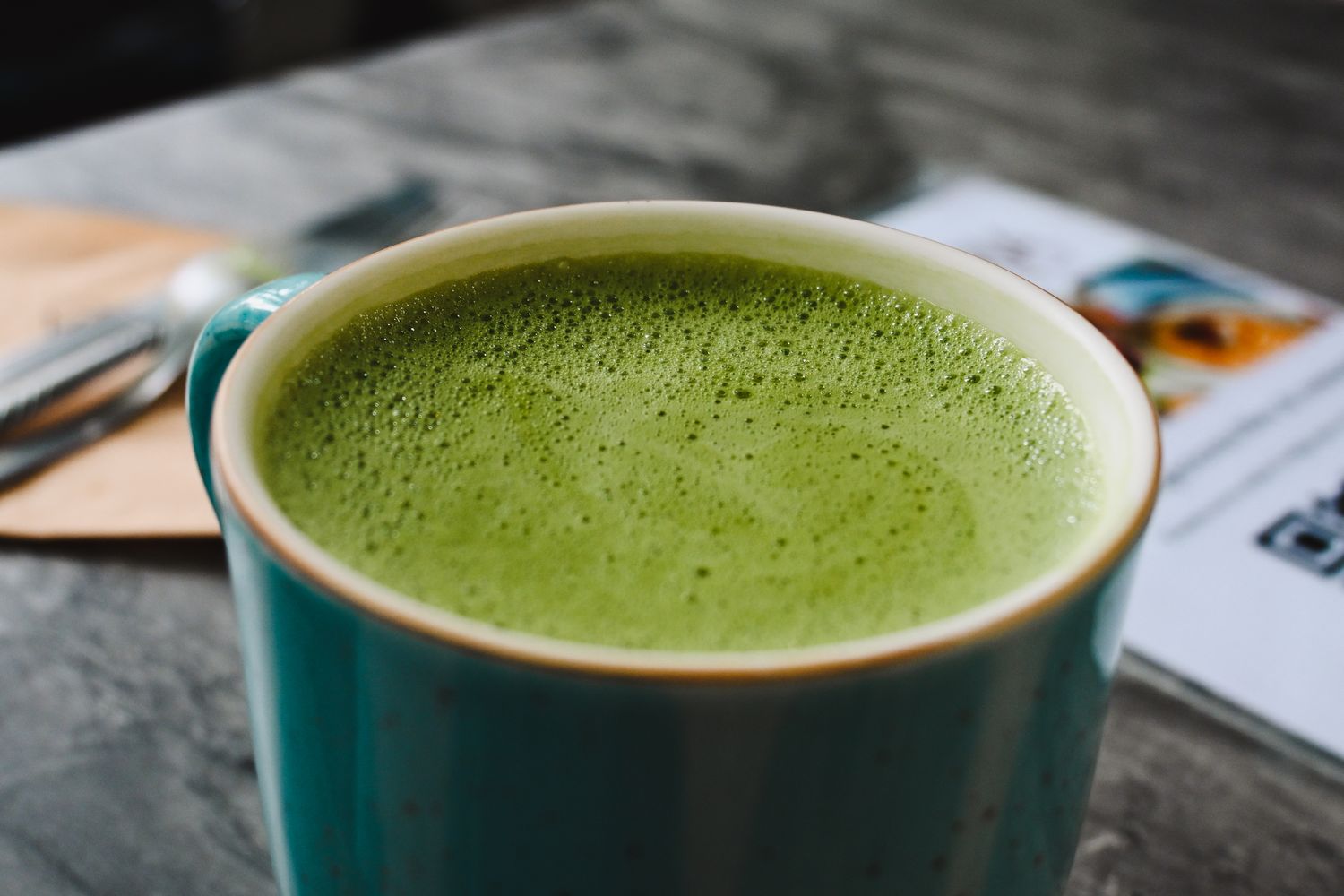

That tin of matcha bought for a latte phase that’s since died down doesn’t behave like a typical box of tea, closer in this respect to cocoa powder than to loose-leaf. Once opened, matcha starts changing fast, and the biggest tell isn’t a smell or a date on the package. It’s the color.
Does matcha go bad?
The short answer: Not in a dangerous way, but it fades quickly. Per well-known matcha brands, an unopened tin typically has a shelf life of about a year. Once opened, matcha is best used within 4 to 8 weeks for peak color, aroma, and flavor, even though it usually remains safe to drink for months beyond that if kept dry. The clearest sign matcha has faded is color: a bright, vivid green turning dull, yellowish, or olive means it has oxidized and lost much of what makes it worth drinking.
For general pantry storage rules, check the food storage guide. If you’re stocking other tea and powder staples, the cocoa powder and coffee guides cover related ground.
📋 Does Matcha Go Bad: At a Glance
| Unopened | About 1 year |
| Opened, for peak quality | 4 to 8 weeks |
| Opened, still drinkable | Up to several months if kept dry and sealed |
| Refrigeration required? | No, but optional in hot climates once opened |
| Best indicator of freshness | Color: vivid green fading to dull yellow-green |
| Ceremonial vs culinary grade | Ceremonial shows fading more visibly; starts more vivid |
| Real spoilage risk | Rare; mold from moisture exposure |
Key Takeaways
- Matcha doesn’t spoil the way perishable food does. It gradually loses color, aroma, and flavor rather than becoming unsafe.
- An unopened tin lasts about a year, but quality declines fast once opened, typically within 4 to 8 weeks for peak character.
- Color is the single best freshness indicator. Vivid green means fresh; dull, yellowish, or olive means it’s past its prime.
- Ceremonial grade matcha starts out far more vivid than culinary grade, thanks to younger leaves and longer shading, so its color fading is more visually obvious even though both grades oxidize over time.
- Refrigeration isn’t required, but it can help in a hot climate. Let refrigerated matcha come to room temperature before whisking it into hot water to avoid clumping.
- Because matcha is whole ground tea leaf rather than steeped-and-discarded leaves, it’s worth choosing a brand that publishes independent lab testing for lead and other heavy metals, a separate consideration from freshness.
Why Matcha Fades So Much Faster Than Other Tea
The science: it’s a powder, not a leaf
Matcha is made by shade-growing tea plants for several weeks before harvest, which boosts chlorophyll and amino acid content, then stone-grinding the dried leaves (called tencha) into an extremely fine powder. That grinding is exactly why matcha behaves so differently from loose-leaf green tea, the kind covered in the tea shelf life guide. Whole tea leaves protect their internal compounds until steeping breaks them open. Matcha skips that step entirely: the leaf is already broken down into powder, with far more surface area exposed to oxygen, light, and moisture from the moment the tin is opened. Exposure to oxygen lessens matcha’s vitamins and catechins, and heat makes it taste stale.
This also explains why ceremonial grade matcha, the most prized and expensive category, seems to lose its glow faster than culinary grade. The bigger factor isn’t actually the grind, it’s where the color starts. Ceremonial grade comes from the youngest first-flush leaves, shaded for 20 to 30 days before harvest specifically to maximize chlorophyll, which is what gives it that almost electric green. Culinary grade comes from a later harvest with less shading and more sun exposure, so it starts out a deeper, more muted green to begin with. Ceremonial grade also tends to be ground finer for a smoother, frothier texture, which adds a bit more surface area exposed to air on top of that. Between the two, ceremonial grade simply has more vivid color to lose, so the fade is more visually obvious even if the underlying oxidation rate isn’t dramatically different. It isn’t a flaw in the product, and it’s a milder version of the same principle covered in the spices guide, where finely ground spices fade faster than whole ones.
How Long Matcha Actually Lasts
Unopened
An unopened, properly sealed tin or pouch is good for about a year. Keep it in a cool, dark cabinet or spice drawer rather than a countertop rack in direct light, the same rule that protects coffee from losing its aroma. Some premium matcha is sold in nitrogen-flushed, vacuum-sealed tins specifically to extend this window, since the sealed environment keeps oxygen away from the powder until it’s opened.
Tip: the date on the tin is about color and flavor, not danger
Matcha past its printed date is very unlikely to be unsafe. What you’re actually managing is vibrancy: color, aroma, and umami character fade well before matcha becomes anything close to a health risk, similar to how many foods last longer than their printed date suggests.
Opened
This is where matcha behaves differently from almost every other item in the pantry. Once the seal is broken, matcha is best for peak color, aroma, and umami flavor within about 4 to 8 weeks. It typically remains drinkable for longer than that, up to several months in some cases, but the vibrant green will visibly dull and the flavor will flatten out and turn more bitter well before it becomes unsafe. If you drink matcha daily, buying a smaller tin you’ll finish within a month or two preserves quality far better than a large bulk tin that sits open for half a year, the same logic that applies to buying smaller quantities of any fast-fading dry good.

See also

Tip: refrigeration is optional, but do it right if you do
Matcha doesn’t need to be refrigerated, though it can help in a warm climate once the tin is open. If you do refrigerate it, keep it away from strong-smelling foods like garlic or onions, since matcha readily absorbs odors. Let refrigerated matcha sit out for a few minutes before whisking it into hot water, since adding cold powder directly to hot liquid can create condensation and clumping.
Signs it’s actually past its prime
Color is the most reliable signal. Fresh matcha is a vivid, almost neon green; as it oxidizes, that color shifts toward dull olive, yellow-green, or brown, a similar visual cue to how brown sugar hardens as it dries out. Aroma follows a similar pattern, fading from a fresh, sweet, grassy scent to something faint, flat, or hay-like. Flavor turns more bitter and loses the creamy umami sweetness that defines good matcha. None of these changes make matcha unsafe to drink; they just mean it won’t taste like what you paid for. True spoilage, meaning mold or a genuinely off, musty smell, is rare and almost always traced back to moisture getting into the container.
The Separate Question: Heavy Metals
This isn’t a freshness or storage issue, but it’s a common enough question to address directly. Tea plants absorb trace amounts of lead and other heavy metals from soil and air as they grow, and because matcha involves grinding and consuming the entire leaf rather than steeping it and discarding the solids, matcha delivers more of whatever the leaf absorbed than a cup of brewed tea does. A 2023 Consumer Reports investigation into matcha and green tea products found detectable lead in a number of tested brands, with levels varying significantly depending on growing region and sourcing practices, a similar sourcing-driven variability covered in the dangerous expired pantry staples guide. This doesn’t have anything to do with how long a tin of matcha has been open. It’s a sourcing question, not a storage one. Japanese-grown matcha, particularly from regions with strict agricultural oversight, has generally tested lower than matcha from regions with less regulation. If it matters to you, look for brands that publish independent, third-party lab results for heavy metals rather than relying on a general “tested” claim alone.
How to Store Matcha for Maximum Freshness
Keep matcha in an airtight, opaque container, in a cool, dark cabinet away from the stove or any heat source, the same core principle covered across the food storage guide. Push out as much air as possible each time you reseal the bag or tin. If you go through matcha slowly, consider a smaller container so what you’re using stays closer to the top of a fresher supply rather than sitting exposed at the bottom of a half-empty tin. Labeling a tin with the date you opened it, and using older matcha before newer purchases, helps avoid a fresh batch aging in the back of the cabinet while a stale one gets used up front.
| Storage Stage | Timeframe |
|---|---|
| Unopened | About 1 year |
| Opened, peak color and flavor | 4 to 8 weeks |
| Opened, still drinkable | Up to several months, if kept dry and sealed |
| Prepared matcha (whisked with water) | Best immediately; refrigerate leftovers up to 1 day |
| Exposed to moisture | Check for clumping or mold before use |
Frequently Asked Questions
No, not for safety. Refrigeration is optional and mainly useful in a hot climate to help matcha keep its flavor once opened, similar to how nutritional yeast doesn’t require the fridge either. If you do refrigerate it, store it away from strong-smelling foods and let it warm up briefly before mixing it with hot water.
How can you tell if matcha has gone bad?
Watch the color first. A shift from vibrant green to dull, yellowish, or olive green is the clearest sign matcha has oxidized and lost quality. A flat, hay-like smell instead of a fresh grassy one, and a more bitter, less creamy taste, are the other main signs. Actual spoilage, like mold, is rare and usually only happens if moisture gets into the container.
How long does matcha last after opening?
About 4 to 8 weeks for peak color, aroma, and flavor, though it typically stays drinkable for longer than that if kept dry and sealed. This is much shorter than most people expect from a dried tea product.
Usually, yes, as long as it’s been stored dry and shows no mold or off smell. The date reflects peak color and flavor, similar to how many foods last longer than their printed date and how protein powder is safe well past its own printed date, not a hard safety cutoff.
Why does ceremonial grade matcha fade faster than culinary grade?
It’s mostly about where the color starts, not how fast each one oxidizes. Ceremonial grade comes from young, first-flush leaves shaded for 20 to 30 days specifically to maximize chlorophyll, giving it a much more vivid green to begin with. Culinary grade comes from a later harvest with less shading, so it starts out more muted. Ceremonial grade is also typically ground finer, which adds a modest amount of extra oxidation on top. Between the two, ceremonial grade simply has more visible color to lose as it ages.
It’s uncommon, but possible if moisture gets into the container, whether from a damp scoop, condensation, or humid storage conditions, similar to the risk covered in the expired condiments guide. Clumping is often the first sign that moisture has gotten in. Visible mold or a musty smell means the batch should be discarded.
Does matcha contain lead or other heavy metals?
In trace amounts, yes, similar to tea generally, since tea plants absorb small amounts from soil and air as they grow. Because matcha involves consuming the entire ground leaf rather than steeping and discarding it, it delivers more of whatever the leaf absorbed than a cup of brewed tea. This isn’t related to freshness or storage. Choosing a brand that publishes independent lab testing is the more relevant safeguard than checking a date.
It’s generally not necessary and isn’t the preferred method, since matcha is more sensitive to the moisture and condensation that come with freezing and thawing than to warmth alone, unlike flour or other dry goods that freeze well. A cool, dark cabinet with an airtight container does more for matcha’s shelf life than a trip through the freezer.
It’s still fine to use, just less vivid and more mellow in flavor. Faded matcha works well in baking, smoothies, or lattes with other strong flavors like vanilla or chocolate, similar to how slightly stale cocoa powder still works fine in a baked recipe, where its diminished punch matters less than it would in a traditional bowl of ceremonial-style matcha meant to be tasted on its own.
How long does prepared matcha last once it’s whisked with water?
Best immediately, similar to freshly brewed coffee. If you have leftovers, refrigerate them in a sealed container and use within about a day; the color and flavor will continue to fade the longer it sits, and separation is normal.
Does bright green matcha always mean it’s better quality?
It’s a strong signal, but not the only one. A vivid green points to fresh, well-shaded leaves and careful processing, which is why it’s the go-to freshness check. That said, color alone doesn’t guarantee superior taste; aroma and a smooth, creamy texture when whisked matter too. A matcha can be reasonably fresh and still be lower grade, or vice versa for a short window as a high grade one starts to fade.
Further Reading
Fresh matcha is worth building a few go-to uses around. Whisk it into a mixed berry smoothie, fold it into collagen hot chocolate bombs for an earthy twist, dust it over white and dark chocolate chip cookies, or stir it into a chai vanilla collagen smoothie for extra depth.
Better Living may earn commissions through affiliate links and may occasionally feature sponsored or partner content. If you make a purchase through our links, we may receive a small commission at no cost to you.