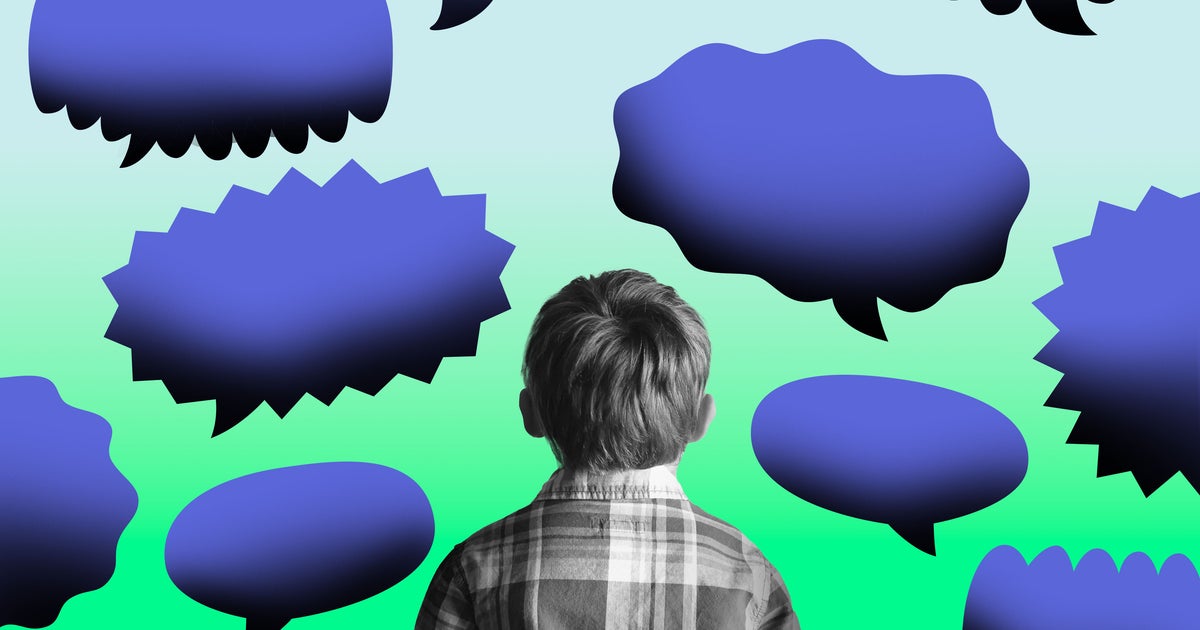

Uncomfortable situations are scary for everyone, but they’re especially scary for children, who don’t have much control over the situations they’re put in.
Parents or caretakers who want their kid to act a certain way in social situations often make these these situations even worse. This is particularly challenging for introverted kids, who are known to need alone time more than their extroverted counterparts.
Not all introverts are quiet, and not all extroverts are gregarious, therapists say, which can make it tough to tell just where your child falls. But there are a few signs you can look out for.
“The classic extroversion-introversion distinction is that an introvert would be filled up by spending time alone recharging, rather than with people,” said Kate Roberts, a therapist at Self Space Therapy in Washington.
Introverted children may become very tired and drained after social events, may opt to spend time alone or with one close friend instead of a group, probably don’t like being the center of attention and may take more time to warm up to people, said therapist Rachel Wolff, the owner of Flow Wellness in Philadelphia.
While society doesn’t usually celebrate introversion, it’s important that parents and caretakers do their best to celebrate it and not try to change it.
Therapists told HuffPost there are damaging phrases you really shouldn’t say to introverted children for many reasons. Here’s what to know:
1. ‘Speak up more’ and ‘be more friendly.’
Any introvert, whether young or old, has probably heard the phrase “speak up more” or “be friendly,” but these are two damaging comments, Wolff said.
“This can make a child think that whatever they’re doing is wrong and it can suggest that your child should ignore their own comfort level to make someone else more comfortable” whether that’s their parent or in certain social situations, Wolff said.
In some cases, this is a direct route to people-pleasing, Wolff noted.
2. ‘You’re being quiet, that’s so rude.’
“Please don’t tell your child that they’re being rude by being quiet,” Wolff said. “Again, this suggests your child is doing harm to others by listening to their own body.”
It also portrays their shyness or introversion as something that’s bad or shameful, said Roberts of Self Space Therapy.

“In a society that really privileges extraversion and sort of holds it up as an ideal, shyness can come off as weakness or disinterest or some kind of flaw that it really isn’t,” she added.
3. Phrases that use ‘shy’ as a label.
“I’d stay away from any statements that could create labels of shyness or cause shame,” Wolff said.
“Why are you being so shy?” is an example of this, as is “stop being so shy.”
“Both of these are calling out the child’s shyness or quietness as a bad thing.” Wolff said. “And being quiet is not a flaw, it’s a personality trait.”
“I wish that [shyness] could be seen more as a different and really valuable way of experiencing the world,” Roberts added. “I think oftentimes kids that are shy or introverted have these superpowers of observation, or they’re taking in a lot of information about the people and places around them.”

Hispanolistic via Getty Images
4. Comments that imply their introversion will hold them back.
As mentioned above, society loves an extrovert. They’re the popular kids in school, the main characters in movies and the life of the party, but that doesn’t mean it’s better to be an extrovert in society. Introverts live just as loving and fulfilling lives — even if popular culture doesn’t make it seem that way.
Because of this, Wolff said caretakers shouldn’t say anything that insinuates that their introversion will limit them.
So, any phrases like “you won’t get anywhere if you’re that quiet” shouldn’t be said to your introverted kid, Wolff said.
5. Any statements that question why they are the way they are.
Any time you question a child’s natural behavior by asking, “Why are you so shy?” “Why won’t you go talk to them?” or “Why won’t you just go play on that team?” is problematic, said KaiLi McGrath, a licensed master social worker with Thriveworks in Royal Oak, Michigan.
Questions like this often create an immediate sense of judgement, McGrath said.
“And then create, especially in children, shame and guilt for the way that they are feeling,” she added.
“It’s really looking at how is my child feeling in this moment, and what can I do to support that feeling, versus placing this immediate shame onto what they are experiencing,” McGrath said.
Children are just tiny humans, explained McGrath, and this is often forgotten.
“[Adults are] allowed to be quiet when you’re tired… and we don’t question that. We can explain, but they don’t have the same words to say, ‘I’m just really tired today,’ or ‘I don’t feel like going out and running on the soccer field today,’” McGrath said.
When an adult is tired, they can make the decision not to go to the gym — the same isn’t true for a kid.
“And so it’s really just taking us from a human perspective like, ‘I feel this way sometimes, why wouldn’t they?’” McGrath said, noting that children look to adults to develop their sense of self.
“So, if I’m constantly saying, ‘Why are you so shy?’ ‘Why won’t you go interact?’… I’m immediately telling them that it’s wrong that they don’t follow that social norm,” McGrath added.
Try these affirming statements instead.
Instead of questioning your child’s shyness or making them feel lesser just by being themselves, work on using affirming language.
According to McGrath, statements like “you are allowed to feel this way” and “take your time” are important ways to teach a child to listen to themselves while also giving them permission to be quiet at a family dinner or take some extra time before warming up to a new friend on the playground.
“You are showing them that you trust them and their feelings and their needs, and they are able to trust themselves within that as well,” McGrath said. And this is a valuable skill to have at any point in life, she added.
By allowing a child to feel what they need to or do what they need, they also learn to validate their emotions — something that many people, even adults, struggle with.
Instead of questioning their character, ask your child how they’re feeling to get a deeper understanding of them.
If you are concerned that your child’s shyness or introversion is getting in the way of their day-to-day life, lead with curiosity instead of judgement, said Roberts.
“Try and connect with the child, maybe asking about their experience, like, ‘What’s it like for you when you’re around new people?’ Because oftentimes, kids might feel really overstimulated when there’s a lot of new people around, and the parent might not recognize that,” Roberts said.
It’ll only help your relationship with your child if you understand them more deeply and get on the same page about the things that are difficult for them, Roberts added.
If your child needs some help understanding how they feel, check in with them during one-on-one time, Wolff said.
“More specifically, you can check in to see if your child is happy, content and more at ease during alone time, which may indicate that they’re more introverted, or if they’re feeling more sad, lonely and craving social connection, that could be a sign that they’re more extroverted,” Wolff noted.
You can also check in with them during social gatherings to see how they’re social battery is doing, she added.
“Overall, knowing the difference between these can be helpful for making sure that parents are acknowledging and respecting a really important part of their child’s internal experiences,” Wolff said.
If your child does want to be alone sometimes or play alone, try not to jump to conclusions about their future social situations, Wolff said.
“If this is happening, your child is likely listening to their bodies, which should be encouraged and praised,” she added.