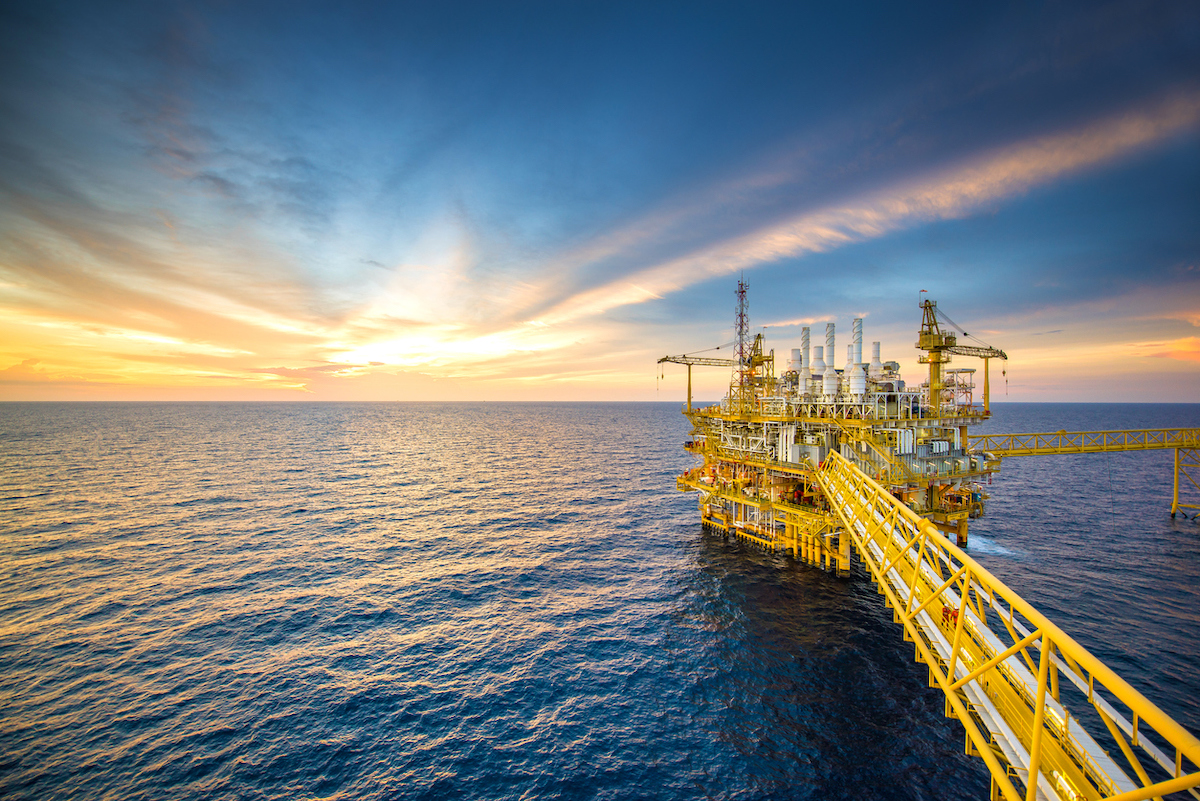

The insurance and financial sectors have a huge amount of power to help steer us towards a greener future. What would happen if the billions of pounds that have gone towards investing in, and underwriting, fossil fuel projects simply dried up?
With a budget close to £8bn, the controversial expansion of Canada’s 700-mile Trans Mountain oil pipeline was always going to be a risky proposition.
But in a note of bitter irony that hasn’t been lost on climate activists, delays caused by extreme weather, coupled with protests, the pandemic and supreme court appeals, have sent costs soaring to an estimated £13bn.
And the stark reality is the project would never have left the drawing board – those 590,000 barrels of crude a day might have stayed in the ground – without one crucial failsafe underwriting its now spiralling risk: insurance.
“These massive risks cannot be taken unless somebody says: ‘Yeah, it’s OK. We’ve got your back’,” says Lindsay Keenan, finance campaigner and European coordinator of Insure Our Future, a body that advocates for the industry to stop insuring fossil fuels globally. “If you’re insuring the new oil rig, the new pipeline, the existing coalmine, you’re facilitating their existence. It’s that simple.”
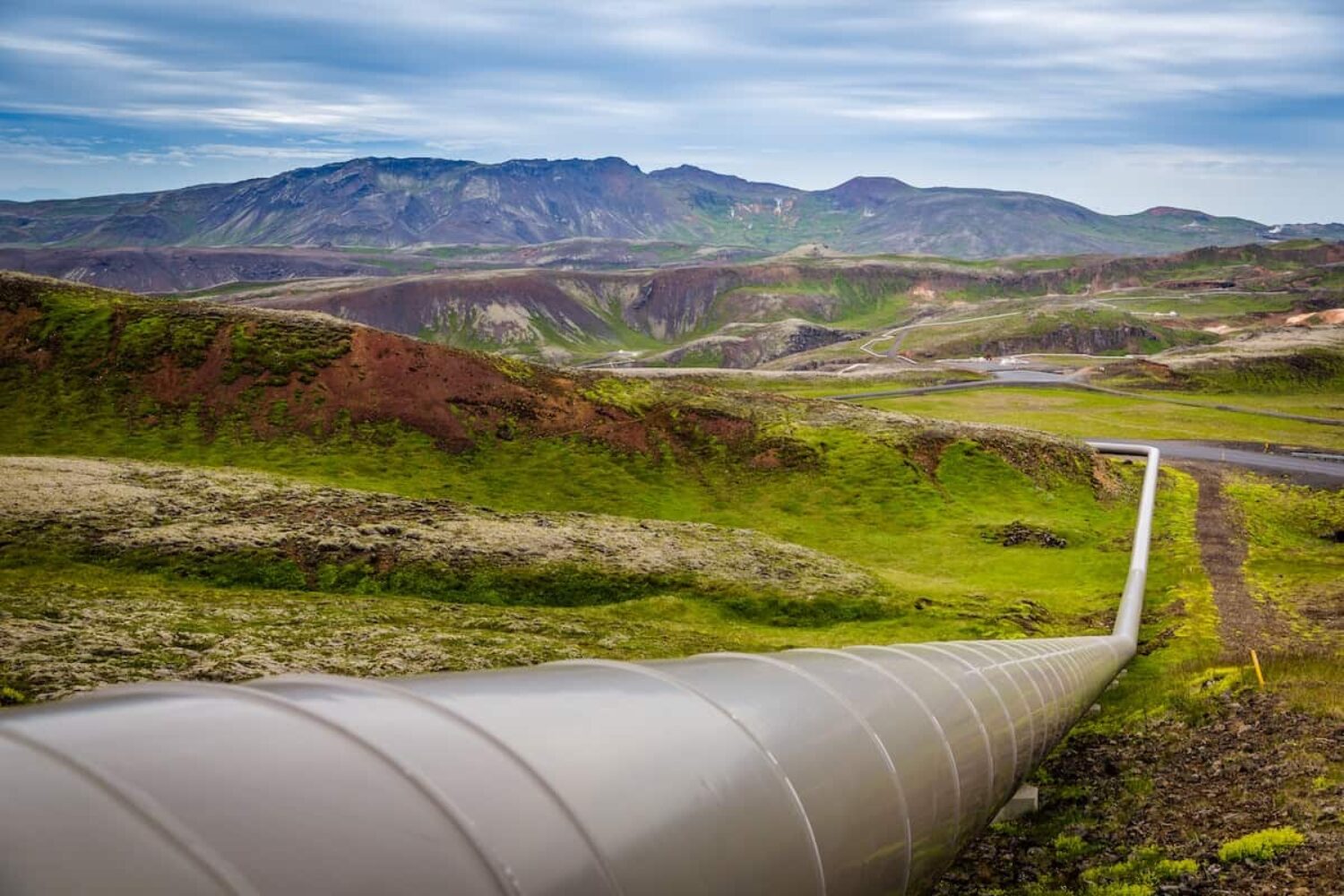
Oil pipelines go nowhere unless insurance companies underwrite them. Image: Mike Benna
For most of us, our understanding of the insurance industry begins with chatting to a broker – or ticking boxes on a price comparison site – and ends in a tussle with the claims department when something goes wrong.
But behind the CGI meerkats and cartoon English bulldogs is an industry with a global investment pot of $35tn (£26.8tn) at its disposal.
It’s a well-worn adage that money makes the world go round, and as insurance companies both invest in as well as underwrite fossil fuel projects, climate-savvy consumers are waking up. They’re increasingly realising that these firms wield the collective clout to stop such projects dead in their tracks.
The insurance industry has more potential than most to drive climate action
Because stopping the expansion of fossil fuels is a new red line in tackling climate change. As UN secretary general António Guterres put it, when the latest IPCC report was published in April: “Climate activists are sometimes depicted as dangerous radicals. But the truly dangerous radicals are the countries that are increasing the production of fossil fuels. Investing in new fossil fuel infrastructure is moral and economic madness.”
For once, as Nick Oldridge – head of marketing and sustainability at green insurance broker Naturesave – sees it, the climate movement has a distinct, unanimous issue that it is almost impossible to argue with. It can no longer be dismissed as an idealistic hope among climate activists alone.
“We now get some really searching questions from clients,” explains Oldridge. “They may be a minority at present, but they are growing all the time. It’s no longer enough to say that insurers are divesting of some of their fossil fuel assets, or that they have quit coal, if they’re still engaged in underwriting or investing in fossil fuel expansion. We are seeing the beginning of a societal shift, which has identified the insurance industry as having more potential than most to drive climate action.”


People are realising that where they put their money matters. Image: Thought Catalog
Pressure from activists has seen more than a dozen insurers declare Trudeau’s pipeline dream too hot to handle, and few have the gall to back new coal projects, but a mere nine companies worldwide have ceased insuring new oil and gas infrastructure.
And it hasn’t stopped them investing: three European insurers that are often ranked among the most ethical – Axa, Allianz and Aviva – have poured £4.3bn into North Sea oil and gas since 2016 alone.
Meanwhile Lloyd’s of London, the world’s biggest insurance market, said in 2020 it would ask its insurers to stop backing coal, oil and Arctic energy by January this year. It also committed to pull out altogether by 2030, only to water down its promises less than a year after making the pledge.
The latest report from the Intergovernmental Panel on Climate Change signposted some of the potential in divesting from fossil fuel companies. While encouraged by progress on climate action, it signalled the need for rapid, widespread, systemic change to keep the planet anywhere close to a 1.5C pathway, including “major transitions in the energy sector”.
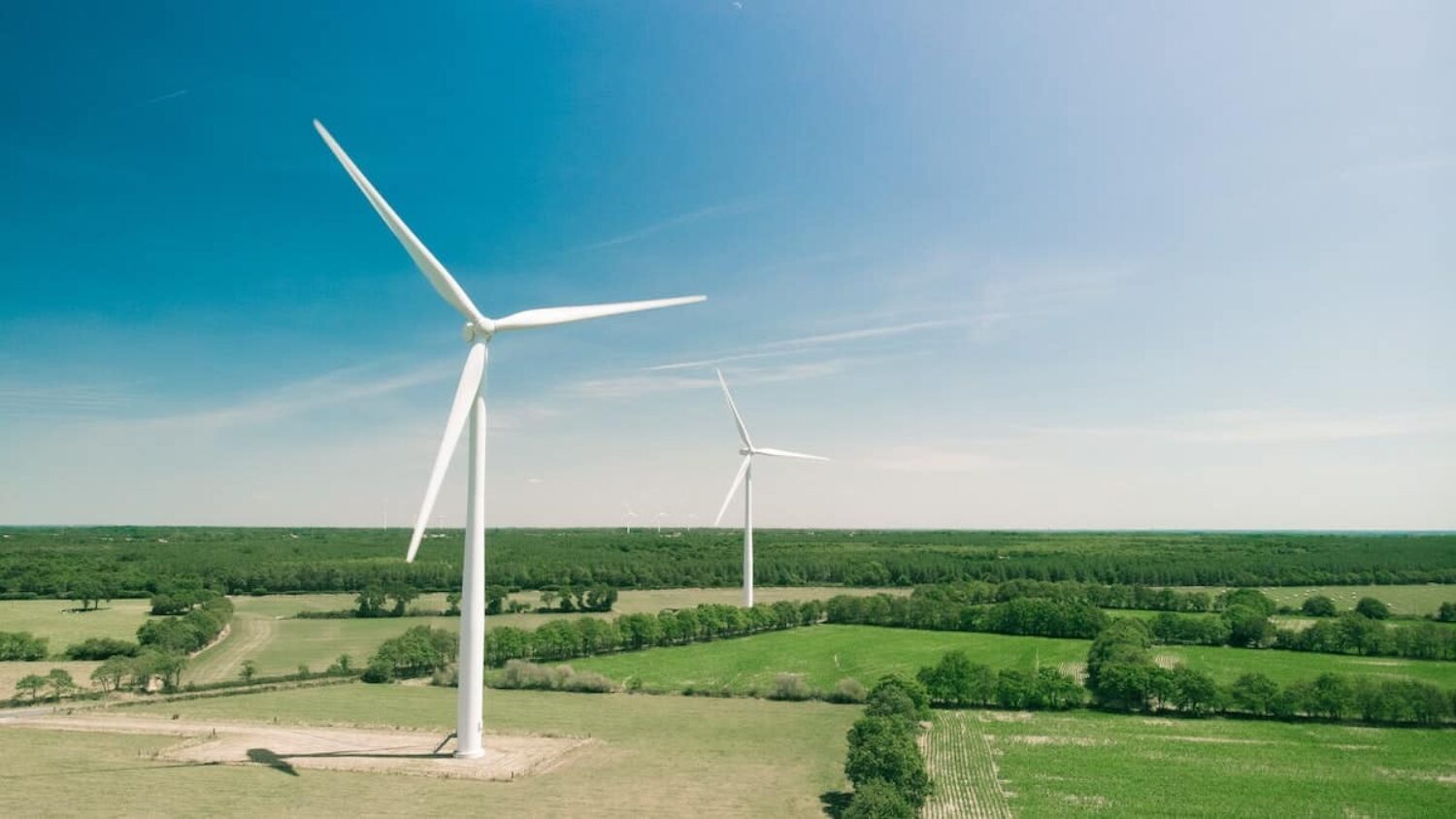
Renewables are a far less risky investment than fossil fuels, argue economists. Image: Thomas Reaubourg
But it also highlighted a yawning funding gap, with three to six times more investment in renewables needed by 2030 to limit warming to below 2C.
“If you think about decarbonising the entire global economy – and look at it positively – the list of investment opportunities is enormous,” says Oldridge. “Renewables, electrification, adapting existing infrastructure. These investment opportunities are far less risky than fossil fuels, as they won’t become stranded assets.” [Stranded assets are those that suffer from unanticipated or premature write-downs or devaluations].
“Insurance companies are getting on with it, but at their own pace, which amounts to protecting ‘business as usual’ as a priority. The problem is, we’re rapidly depleting our remaining carbon budget now: we should have been doing this over a decade ago.”
Keenan hints at a possible future benefit to consumers of backing climate conscious insurers: lower premiums.
Renewables are far less risky than fossil fuels projects, as they won’t become stranded assets
Insurance firm Swiss Re estimates the industry paid out $105bn (£80.4bn) in claims from extreme weather catastrophes last year, with floods in Germany and Belgium marking the region’s costliest natural disaster in over half a century.
“At the same time, reinsurers are seeing record profits,” Keenan notes. “Where does all that money come from? The answer’s quite simple: it comes from you and me.
“We all pay a little more for everything. They profit from investing in, and insuring, fossil fuels. They know they cause climate catastrophes, and rather than losing money, they’re actually profiting from them. That’s a bad combination.”
Oldridge points to progress made in other financial sectors towards transparency and ethical investment, and believes we should be holding insurers to account in the same way.
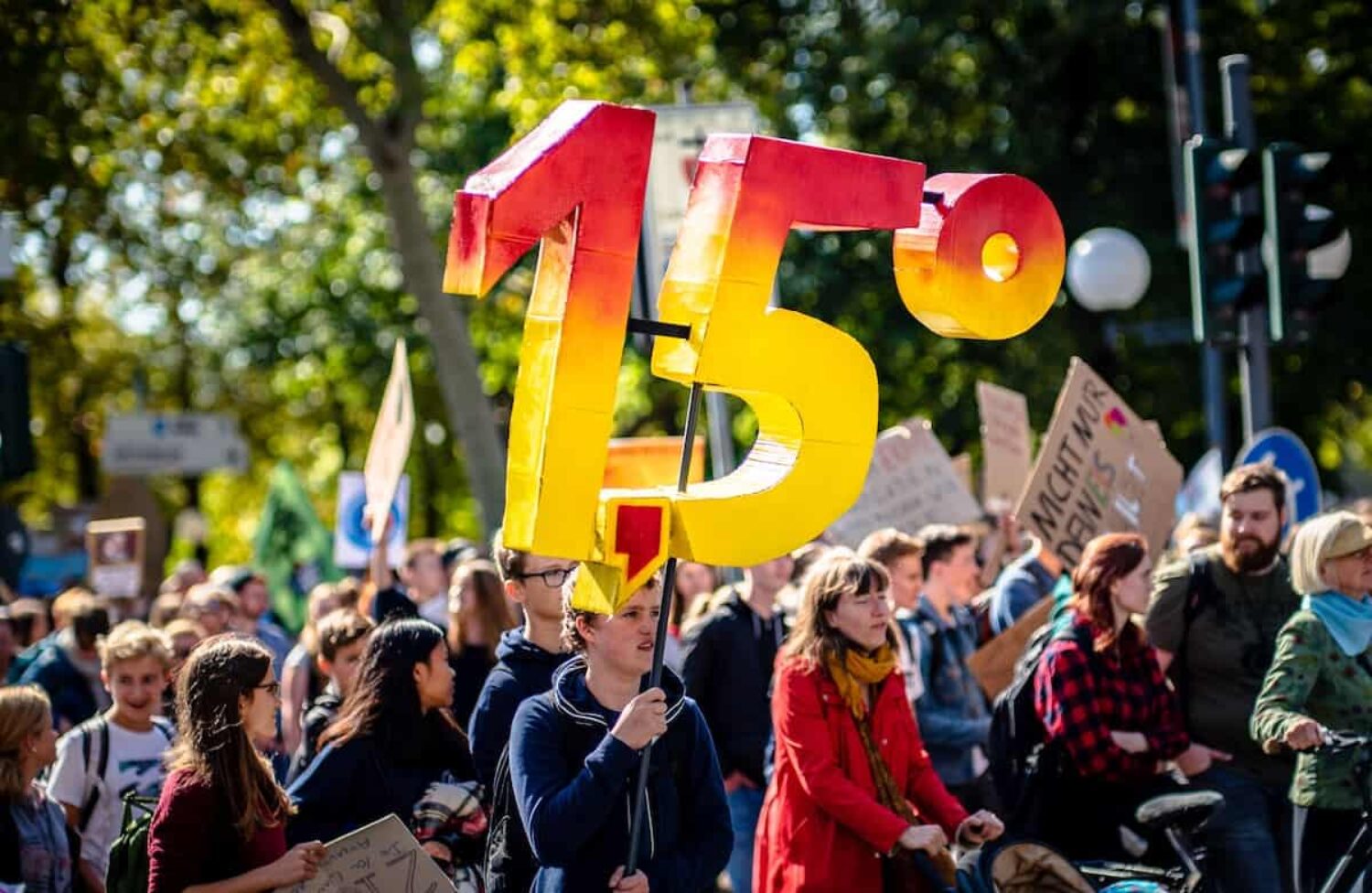
Pressure from activists has helped stop some fossil fuel projects in their tracks. Image: Mika Baumeister
The screenwriter Richard Curtis targeted pensions by cofounding the Make My Money Matter campaign, which claims that ‘greening’ your retirement pot is 21 times more effective at shrinking your carbon footprint than the combined effect of switching energy providers and giving up planes and meat.
On the surface at least, the will for change appears to be there among some insurers.
Allianz management board member Günther Thallinger chairs the UN-convened Net-Zero Asset Owner Alliance, whose 71 members are committed to shifting their asset portfolios – worth a combined $10tn (£7.67tn) – to net-zero emissions by 2050.
In a recent conversation with the environmentalist Bill McKibben, Thallinger trumpeted the ‘superiority’ of an economy based on renewables. “The question is, how to kickstart the acceleration needed for this transformation?” he pondered.
If you think about decarbonising the entire global economy, the list of investment opportunities is enormous
Oldridge might have the answer, and it boils down to another old saying: ‘money talks’.
“This is the industry you’re paying to protect you from future risk,” he says. “They take that money, and they invest it in the very thing that’s going to destroy your credible future.
“Historically, it’s a model that worked perfectly well, until the science proved otherwise. Now it’s time for the public to call upon their insurers, to use their unparalleled influence to pull the plug on new fossil fuels.
“Forget worrying about how much recycling you are doing, sending a message to the boardrooms of the insurance industry will have a far greater impact.”
Main images: iStock