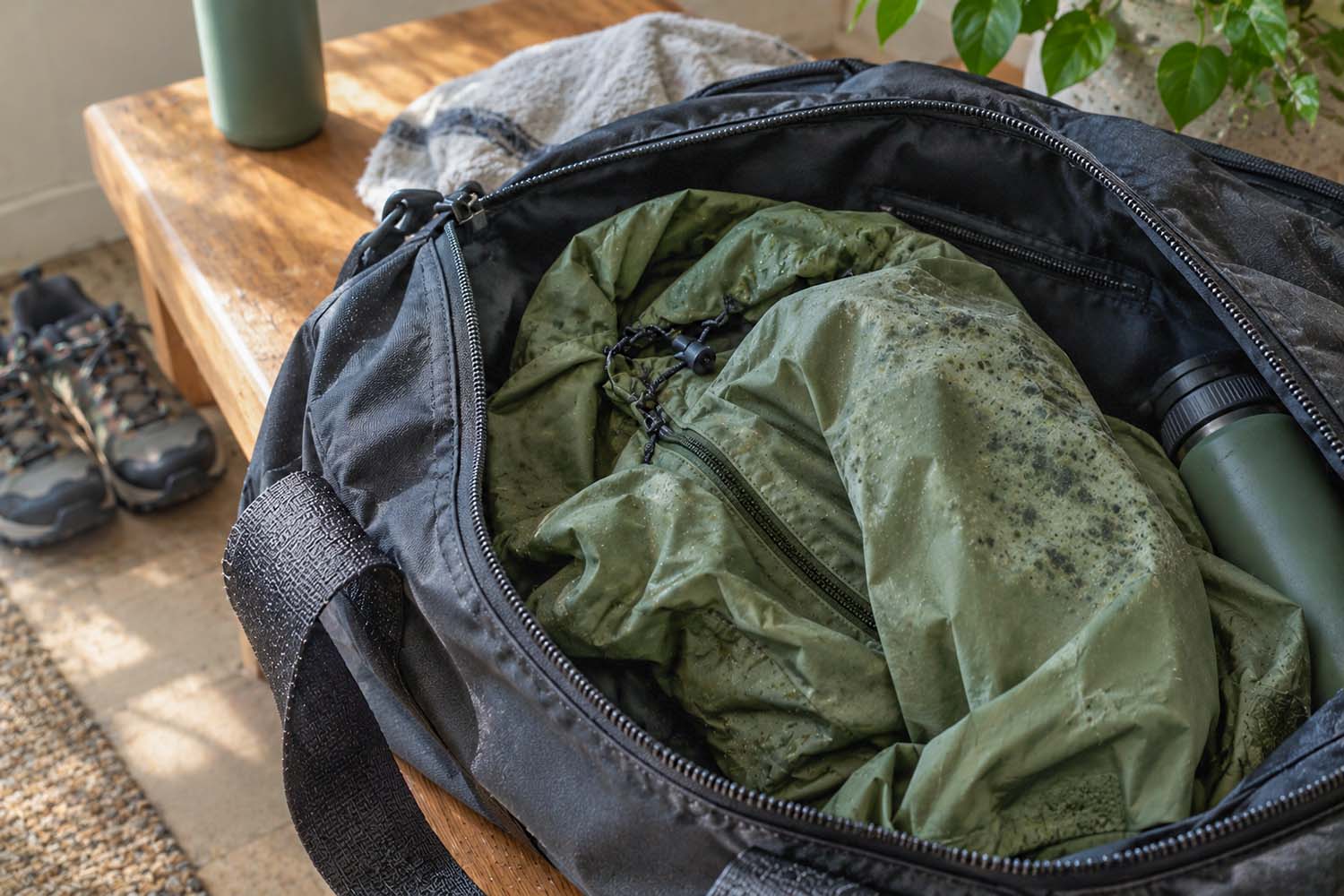

I found out how fast mildew works when I left a damp rain jacket balled up at the bottom of my gym bag for four days after a weekend hike. I’d forgotten it was in there. When I finally unzipped the bag, the jacket had a faint map of gray-green spots across one shoulder, and the smell hit before I even saw the stains. My first move was tossing it straight into the wash with regular detergent and calling it handled. It wasn’t handled. The smell came back within a week, and a faint shadow of the original spots was still visible in good light if you knew where to look.
The Short Answer: Get the item dry and out of any sealed bag or hamper immediately, since mildew keeps growing in the dark and damp. Spray or soak with white vinegar, which kills the majority of mold species and is gentler on fiber strength than chlorine bleach. Follow with an oxygen bleach soak to lift what’s left, then a wash at the hottest setting the fabric allows since most mold needs water above 140°F (60°C) to reliably die. Add an enzyme treatment if a musty smell lingers. Regular detergent alone on a normal cycle loosens the visible stain but doesn’t reliably kill the fungus, which is why mildew so often comes back after what looked like a successful wash.
Why Mildew Isn’t Like Any Other Stain on This Site
Every other stain in this cluster is dead material sitting in or on your fabric: a pigment, an oil, a protein residue. Mildew is different. It’s a living fungal colony, and by the time you can see it, it has already sent root-like structures called hyphae down into the weave of the fabric, not just across the surface. That distinction matters because it means you’re not cleaning up after damage that already happened and stopped. You’re evicting something that’s still actively growing and, on natural fibers, still actively feeding.
Certain molds produce enzymes called cellulases that genuinely digest cellulose, which is the main structural component of cotton and linen. That’s not a stain sitting on top of the fiber. That’s the fiber itself being consumed. This is why a mildew spot on a cotton shirt can leave the fabric thinner or weaker in that exact spot even after the color lifts, in a way a coffee stain or a grass stain never would.
The Golden Rule: Kill It and Clean It, Not Just One or the Other
Here’s what most cleaning guides skip entirely. Washing a mildewed item with ordinary detergent can lift a lot of the visible discoloration, which feels like success. But detergent alone isn’t reliably fungicidal. If any hyphae survive down in the fibers, and they often do, the mildew simply regrows the next time that item sits somewhere damp, even if the stain looked gone the day you washed it. Treating mildew means doing two separate jobs: actually killing the fungus, and separately lifting the discoloration and odor it left behind. Skipping the first job is the single biggest reason people report mildew “coming back” on the same garment.
Stain Variants: Fresh Growth, Established Growth, and Odor Without Visible Stain
Fresh, surface-level growth: Caught early, before hyphae have had time to penetrate deep into the weave. This responds well to a vinegar treatment and comes out with the least fuss.
Established, set-in growth: The fungus has had days or longer to establish itself, and on cotton or linen it may have already begun breaking down the cellulose in that spot. Expect the treatment to take more than one pass, and don’t be surprised if the fabric feels slightly thinner or the weave looks a bit more open in that exact area once the color is gone.
Musty odor with no visible stain: Sometimes the fungal growth is faint enough that you smell it before you can see it. This still needs an antifungal treatment, not just a scent-masking wash, since the odor is coming from the organism’s own metabolic byproducts.
How to Get Mildew Out of Clothes: 4 Ways That Work
1
Get It Dry and Into the Sun First
Take the item out of any bag, hamper, or damp pile immediately. Enclosed, dark, damp spaces are exactly what mildew needs to keep spreading, both across that garment and onto whatever else is in the bag with it. If you can, brush off any loose surface growth outdoors so you’re not knocking spores loose inside your house, then let the item dry in direct sunlight. UV light has a real antifungal effect and also helps fade the visible stain before you even start treating it.
Verdict: the fastest, lowest-effort step, and one that also protects everything else in the hamper.
2

The White Vinegar Soak (the actual kill step)
Mix equal parts white vinegar and water, or use it undiluted on stubborn spots, and saturate the affected area. Let it sit for 30 to 60 minutes before rinsing. Vinegar’s acidity shifts the pH on the fabric to a range most mold species can’t tolerate, and it does this without the fiber-weakening oxidation that chlorine bleach causes.
Verdict: this is the step that’s actually doing the antifungal work, not just the stain-lifting.
3
The Overnight Oxygen Bleach Soak (for what the vinegar didn’t lift)
Mix an oxygen bleach powder according to package directions in cool to lukewarm water and soak for at least 6 to 8 hours or overnight. This step handles whatever discoloration is left once the fungus itself is dealt with, and it’s a safer choice for fiber strength than chlorine bleach, especially on a fabric that may already be weakened in that spot. An oxygen bleach powder is worth keeping on hand for this specifically.
Verdict: the step that clears the remaining stain without risking further damage to already-compromised fibers.
4
Enzyme Treatment for Lingering Odor
If the musty smell hangs on after the visible stain is gone, especially on gym clothes or towels with body soil mixed in, an enzyme-based stain remover pretreatment before the final wash helps break down the organic residue causing the smell.
Verdict: the step most guides skip, and the one that actually solves the “it’s clean but it still smells musty” complaint.
Pro tip: Never treat mildew inside a closed hamper or a gym bag. Pull the item out, deal with it in the open, and wash anything else that was sitting next to it, since mold spores travel easily between damp fabric that’s touching. If dampness is a recurring problem in your gym bag or closet, that’s worth solving at the source rather than treating the same stain every few weeks.
By Fabric Type
Cotton and linen: The most vulnerable to actual fiber damage, since these are cellulose fibers and mold can digest cellulose directly. Treat promptly, and manage your expectations that a heavily affected spot may come back weaker or slightly thinner even after the stain is gone.
Wool and silk: More resistant to mold growth than cotton or linen, since these protein fibers generally need a higher humidity level before mold takes hold, and they decompose more slowly once affected. Still treat promptly, and use a gentle hand, cold water, and no scrubbing.
Polyester, nylon, and other synthetics: The most resistant fiber type overall, since synthetics don’t provide the fungus with cellulose or protein to feed on. Mildew that grows on synthetic fabric is typically living off surface soil, body oil, or residue rather than the fiber itself, so a thorough wash after the vinegar and oxygen bleach steps usually clears it without lasting damage.
Dry-clean-only fabrics: Brush off loose surface growth outdoors, avoid soaking it yourself, and get it to a professional cleaner promptly. Point out both the stain and the smell, since they may need to treat for both separately.
Step-by-Step Protocol
- Remove the item from any bag, hamper, or damp pile immediately.
- Brush off loose surface growth outdoors if possible.
- Let the item dry in direct sunlight before doing anything else.
- Saturate the affected area with white vinegar, diluted or full strength, and let it sit for 30 to 60 minutes.
- Rinse thoroughly with cool water.
- Check the stain in good light. If discoloration remains, move to an oxygen bleach soak rather than repeating the vinegar step.
- Soak in an oxygen bleach solution for at least 6 to 8 hours.
- If a musty smell persists, follow with an enzyme stain remover pretreatment before the final wash.
- Wash according to the care label, using the hottest setting the fabric allows. Most mold species need water at or above 140°F (60°C) to reliably die, which is hotter than a typical warm or cold cycle and often hotter than a standard “hot” setting fed by a home water heater. Use a sanitize or extra-hot cycle if your machine has one and the fabric can take it.
- Air dry if possible, checking that both the stain and the smell are gone before using the dryer.
Never do this:
- Never mix bleach with ammonia or vinegar. The combination can produce toxic fumes and is a genuine safety hazard.
- Never seal a mildewed item back in a hamper, gym bag, or laundry basket before treating it. The dark, damp environment lets it keep growing and spreads spores to everything nearby.
- Never reach for chlorine bleach as your default on natural fibers. It kills spores effectively, but its oxidizing action also degrades cellulose, which is the last thing a fiber the fungus has already been feeding on needs.
- Never scrub hard at the visible growth. This can grind spores deeper into the weave and damage fibers that may already be weakened underneath.
- Never assume a lingering musty smell after the stain is gone means the treatment failed completely. It often means the odor-causing residue needs a separate enzyme pass, not a full repeat of every step.
- Never put the item in the dryer until you’ve confirmed both the stain and the smell are gone. Heat can set any organic residue left behind.
What Doesn’t Work
Washing once with regular detergent and calling it done is the single most common mistake, and it’s exactly what happened with my rain jacket. Detergent can lift a surprising amount of visible discoloration, which makes it feel effective, but it isn’t reliably fungicidal, so anything left embedded in the weave can simply regrow.
Scrubbing hard at the visible spots to physically remove “the fuzzy part” tends to backfire. It can drive spores deeper into the fabric rather than out of it, and on a fiber that mildew has already started to break down, aggressive scrubbing adds mechanical damage on top of the biological damage already there.
See also
Old folk remedies like a buttermilk soak or a strong thyme tea bath show up in some older cleaning advice. They aren’t well supported, and there’s no reliable reason to expect them to outperform a vinegar or oxygen bleach treatment.
Prevent It Before It Happens
The easiest mildew stain to treat is the one that never grows. Never leave a damp item balled up in a bag, hamper, or gym locker, even overnight. Air-dry anything damp before it goes anywhere enclosed, and give closets and gym bags real airflow rather than packing them tight. If a particular bag or drawer keeps producing mildew on whatever you store in it, the moisture problem is in that space, not in your laundry routine, and it’s worth addressing directly rather than treating the same stain repeatedly.
The One Thing I Wish I’d Known Sooner
I assumed that first wash had handled the rain jacket because the stain looked mostly gone and the jacket came out of the machine smelling like detergent instead of mildew. What I didn’t understand yet was that a regular wash cycle isn’t built to actually kill mold, only to clean around it. Once I added the vinegar step before washing instead of after, the smell didn’t come back, and neither did the spots. The lesson wasn’t about finding a stronger stain remover. It was about realizing I’d been skipping the step that mattered most.
Final Thoughts
Mildew asks for a different mindset than most stains on this site, since you’re dealing with something still alive rather than something already spent. Get it dry and out of the dark immediately, treat with vinegar to actually kill it, follow with oxygen bleach for the stain, and don’t skip the enzyme step if the smell lingers. If dampness and odor are a recurring theme in your laundry, our guides on sweat stains and stains in Tupperware cover related territory.
FAQ
Does mildew stain come out of clothes completely? Often, yes, especially if caught early. On cotton or linen that’s had established growth for a while, the color usually lifts, though the fabric in that exact spot may be permanently thinner or weaker.
Will vinegar actually kill mildew on clothes? Yes. White vinegar’s acidity creates a pH environment most mold species can’t survive in, and it does this without the fiber-damaging oxidation that chlorine bleach causes.
Does hot water kill mold on clothes? It can, but only if it’s genuinely hot enough. Most mold species need water at or above 140°F (60°C) to reliably die, which is hotter than many home washing machines reach on a standard warm or cold cycle without a dedicated sanitize setting. Heat helps, but it’s not a substitute for the vinegar or oxygen bleach step, since a merely warm wash won’t get there on its own.
Can you get rid of the musty smell without washing again? Not reliably. The smell comes from the fungus’s own byproducts, so it needs an actual treatment step, like an enzyme pretreatment or a vinegar rinse, rather than a fragrance product layered on top.
Is bleach safe for mildew on clothes? Oxygen bleach is generally the safer choice, since it lifts staining without the fiber-weakening oxidation of chlorine bleach. Chlorine bleach can be used on sturdy white fabrics, but it isn’t the best first choice on natural fibers mildew may have already started to break down.
How can you tell mildew from a regular dirt stain? Mildew usually comes with a musty odor the dirt stain wouldn’t have, and the discoloration often has an irregular, spreading pattern rather than a single defined mark, sometimes with a faint fuzzy or powdery texture.
Does mildew ruin fabric permanently? It can weaken cotton and linen in the exact spot it grew, since the fungus digests cellulose directly. Wool, silk, and synthetics are more resistant to this kind of structural damage.
How do you keep mildew from coming back on the same garment? Make sure it’s completely dry before storing it, give it airflow rather than packing it away tightly, and address any recurring dampness in the bag, drawer, or closet it lives in.

Better Living may earn commissions through affiliate links and may occasionally feature sponsored or partner content. If you make a purchase through our links, we may receive a small commission at no cost to you.