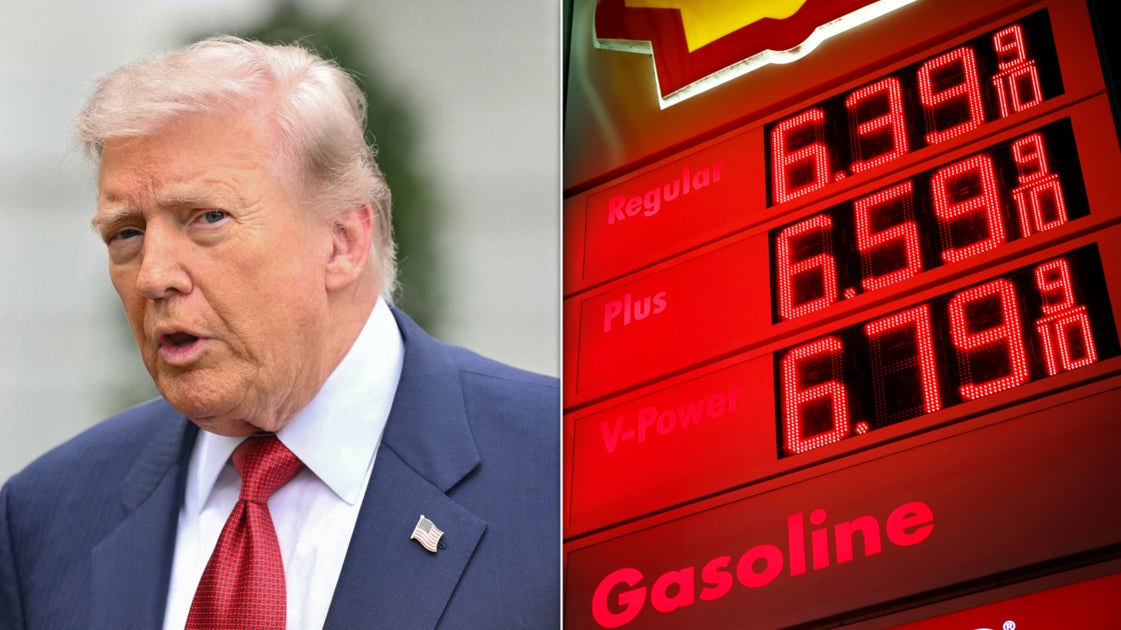

Gas prices continue to skyrocket due to the ongoing U.S. war against Iran, which has interrupted global oil shipments. On Monday, President Donald Trump proposed one way to help drivers that are paying more at the pump: a holiday from the federal gas tax.
In an interview with CBS News, Trump said, “We’re going to take off the gas tax for a period of time, and when gas goes down, we’ll let it phase back in.”
“It’s a small percentage, but you know, it’s still money,” Trump added.
There’s a few major problems from this plan becoming reality. For one, Trump can’t do this kind of federal gas tax pause on his own. Suspending the tax, which currently is 18 cents per gallon for regular gas and 24 cents for diesel, requires congressional approval. So far, Congress has not approved a federal gas tax holiday, although there is bipartisan interest in Trump’s proposal of a federal gas tax suspension. But drivers would pay a price in the long run.
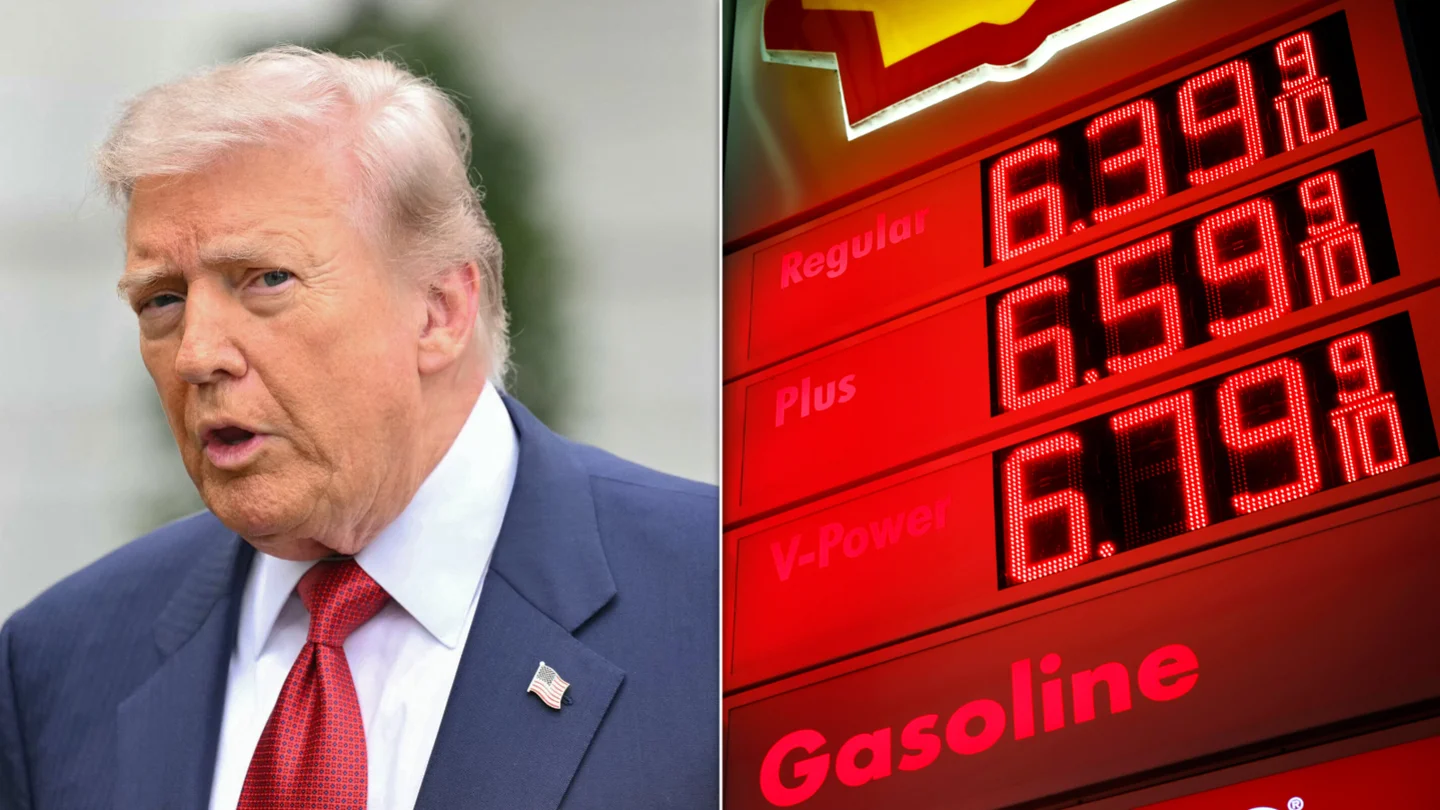
Modest savings would come at the cost of bumpy roads for drivers.
Even if this federal gas tax pause were to become a reality, don’t expect significantly lower gas prices. The potential savings from this tax do not offset the high gas prices that American drivers are experiencing.
Xan Fishman, vice president of the energy program at the Bipartisan Policy Center, said the change in price per gallon that consumers would see would be between 9 and 14 cents.
On Tuesday, AAA reported that the national average for a gallon of regular gas is $4.50, which is 50% higher than it was last year. Fishman noted gas was $3.15 a year ago, so a few cents being saved is “not nothing, but it certainly isn’t removing the bulk of the price increase.”
“At today’s national average, it’s a drop of only about 2.9% in the price of gasoline,” said Patrick De Haan, head of petroleum analysis at price-tracking website GasBuddy. He also noted that this discount may actually lead to more demand and exacerbate price increases.
Moreover, the federal gas tax isn’t the only tax drivers deal with. States also have their own gas taxes, but some ― including Georgia and Indiana ― have taken action to temporarily suspend theirs during the U.S. war against Iran.
This gas tax suspension may save some cents, but it’s not a helpful long-term strategy for safer roads, either.
The billions in revenue from the federal gas tax is used toward the Highway Trust Fund, which go toward improving your local roads and bridges. The Bipartison Policy Center estimated that a five-month suspension of the federal gas tax would reduce gas tax revenue by approximately $17 billion. Fishman said that a monthslong pause would lead to worse roads, and in turn more “wear and tear on your tires or risk of a flat tire.”
And you might even have to buy more gas to get by on bumpier roads. “When roads are well-maintained, people get better gas mileage, so you have to buy fewer gallons of gasoline,” Fishman said.
Ultimately, the most direct way to end soaring gas prices would be to end the war against Iran that keeps the Strait of Hormuz closed to oil shipments, experts said.

“It’s going to continue going up until either global demand comes down to better match the level of supply that we have, or until the strait reopens,” De Haan said. And even then, “It might take the better part of a year for global inventories to catch up to the [months] of oil being blocked by the strait,” he added.
But a deal between the U.S. and Iran doesn’t appear to be happening anytime soon. On Sunday, Trump rejected a U.S. ceasefire proposal as “TOTALLY UNACCEPTABLE!” on his social media.