
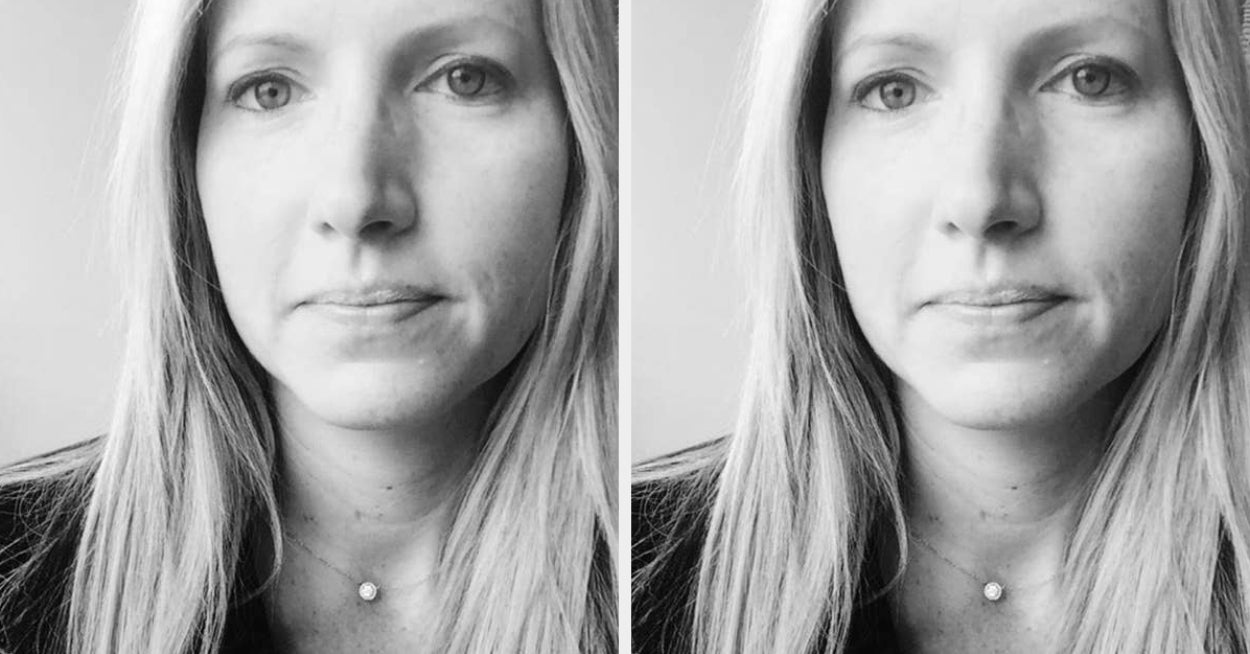

As a result of my treatment for Asherman’s syndrome, I was able to have my miracle baby, but it took almost a year and a half to get a diagnosis and I know I’m not the only one who has gone or is going through this.
It is now my mission to help other women who are struggling with recurrent pregnancy loss to be more informed and to encourage them to reach out to their doctor to ask about Asherman’s syndrome.
If you are under the age of 35 and have experienced recurrent pregnancy loss or difficulty getting pregnant for 12 months — or you’re over the age of 35 and are experiencing recurrent pregnancy loss for six months — you may be suffering from this condition and you may want to speak to your doctor about seeing a specialist.
If you think you may have Asherman’s syndrome, it’s important to be your own best advocate for your health. If you are experiencing recurrent losses, here are a few sample questions to consider asking your primary doctor or endocrinologist:
1) Should I see a specialist based on my recurrent losses?
2) Are you concerned this could be Asherman’s syndrome?
3) Do you know of a specialist in my area that I could consult about the potential of Asherman’s syndrome?
I had no idea there was a reason I was experiencing so many losses — or that I could be treated for it and eventually welcome my son into the world.
I am grateful I was able to have a baby at all — much less two beautiful children — and to have my Asherman’s syndrome corrected. I know many women aren’t as fortunate. It’s heart-wrenching for me to watch friends deal with infertility and experience similar recurrent losses. It makes me wonder how many others don’t know about Asherman’s syndrome and if they could be helped. My hope is that sharing my story might make a difference in someone else’s life and offer a potential way to end her suffering too.
Lisa McCarty is a writer and women’s health advocate. She is working on a book about infertility, and can be found on Instagram.
This article originally appeared on HuffPost in September 2023.