
Over the past two decades, innovation, technology, entrepreneurship, and research have defined and fueled America’s economic growth. These advances sparked a digital revolution, from the iPhone and rapid expansion of the internet to the widespread digitalization of our economy, which fundamentally reshaped how we live, work, and communicate.
But the rise of artificial intelligence, advanced manufacturing, electrification, supply-chain resilience and domestic reshoring has changed the equation. Our digital economy now depends on physical systems every bit as much as software and innovation. The defining challenge of the next decade won’t be whether we can invent the future, it will be whether we can build it and whether we can do so with the same ambition and confidence that once defined America.
How Investment in Physical Infrastructure Transformed the Country
The infrastructure we know and rely on today predominantly traces its roots to the decades immediately following World War II. Between the mid-1940s and the construction of the Interstate Highway System in the 1950s, our nation embarked on one of the greatest building programs in modern history. Investments in roads, bridges, electricity, telecommunications, healthcare, and water and sewer systems transformed communities across the country, supporting unprecedented economic growth and the rapid expansion of cities during the postwar baby boom.
These investments didn’t simply make travel easier or utilities more accessible. They unlocked decades of private investment, connected communities, expanded commerce, and created the physical foundation for the American economy we know today. America wasn’t just building infrastructure. It was building its competitive advantage.
The Consequences of Underinvestment in Infrastructure
While the digital revolution transformed our economy over the past quarter century, investment in many of the physical systems supporting it failed to keep pace. Decades of underinvestment have left America with aging infrastructure increasingly strained by modern demands.
A recent analysis of municipal infrastructure across more than 2,000 U.S. cities found that local roads, bridges and public buildings alone require more than $1 trillion in repairs and replacement. The American Society of Civil Engineers estimates the United States faces a $3.7 trillion infrastructure investment gap by 2033, even after recent federal investments. Roads, bridges, water systems, energy infrastructure and transit all require significant modernization to meet the demands of a growing economy.
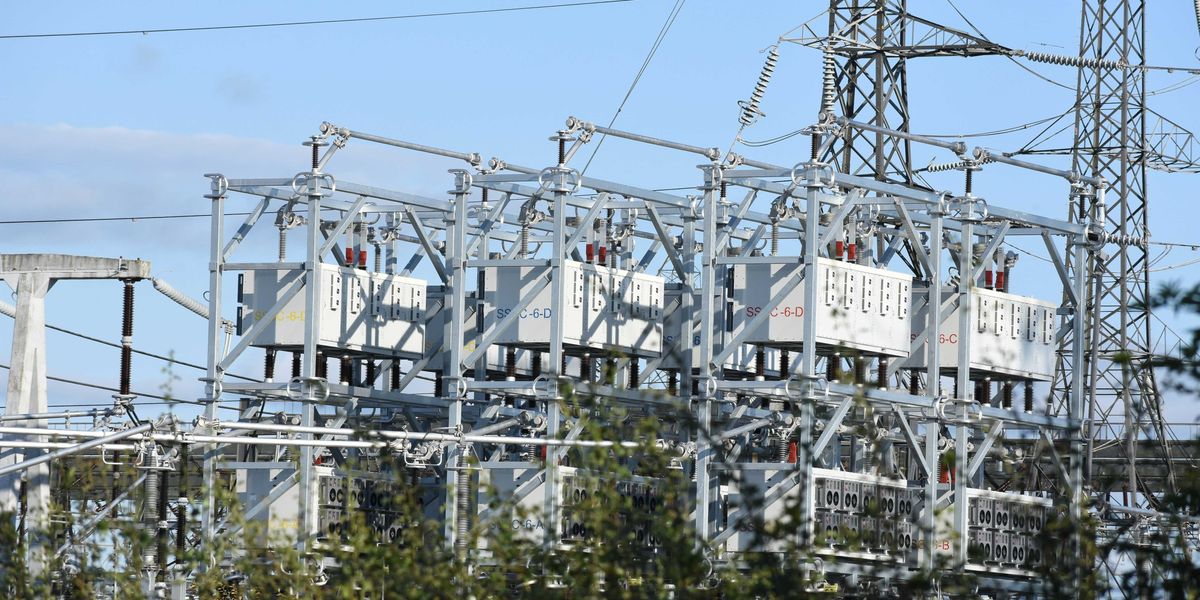
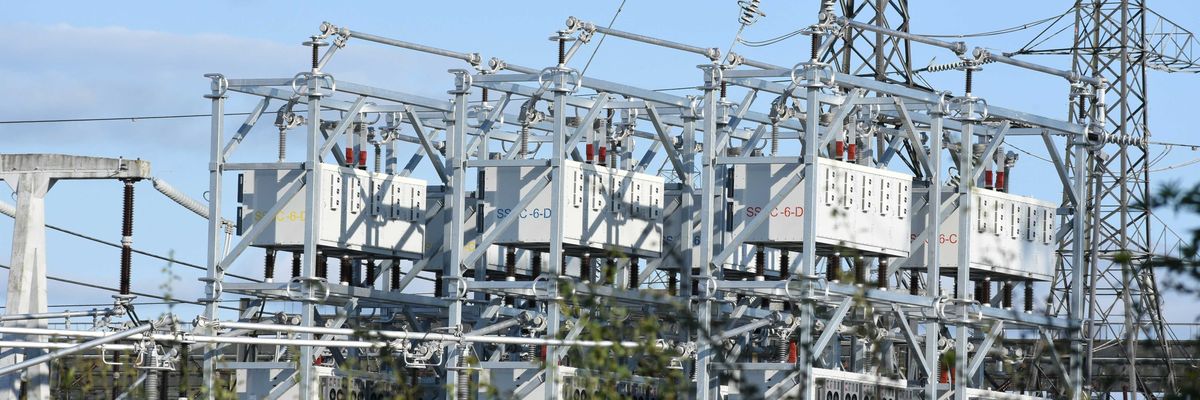
At the same time, the very definition of infrastructure has changed. Today’s economy depends on far more than highways and bridges. Reliable electric grids capable of supporting AI and advanced manufacturing, resilient water systems, expanded transmission capacity, ports, freight rail, airports, rural broadband, cybersecurity, and modern logistics networks have become just as essential to America’s competitiveness. Electricity demand, after remaining relatively flat for years, is rising again as AI, domestic manufacturing, and electrification reshape our economy.
How Do We Solve Our Infrastructure Problem?
The infrastructure of tomorrow will not simply move people and products, it will move electricity, information, and opportunity. But none of this happens without people. Building America’s next competitive advantage also requires investing in the workforce capable of designing, constructing, and maintaining these systems. Engineers, electricians, welders, utility operators, lineworkers, surveyors, heavy equipment operators, and skilled trades professionals will be just as essential to America’s future as software developers and entrepreneurs. Our infrastructure renaissance must be matched by an equally ambitious workforce renaissance, with an even greater emphasis on technical and vocational education.
Too often, however, government itself becomes an obstacle. Major infrastructure projects deserve rigorous review, environmental stewardship, and meaningful community engagement. But today’s permitting processes are frequently duplicative, unpredictable, and unnecessarily slow, creating uncertainty that drives up costs and delays investment.
Investors can adapt to almost any set of rules. What they struggle with is not knowing what those rules are or how long decisions will take.
Streamlining permitting, modernizing regulations, encouraging greater private investment and prioritizing projects that support long-term economic growth are not about cutting corners. They are about creating certainty. And certainty is one of the greatest competitive advantages the government can deliver to the private sector. The jobs, investment, and opportunities of tomorrow are only possible if the systems beneath them are strong enough to support them.
America’s Future Will Be Defined By Our Choices
America has never succeeded by shrinking from big challenges. We built the Interstate Highway System. We electrified rural America. We connected our communities through railroads, ports, and telecommunications. Every generation has inherited the responsibility to build the foundation for the next.
That responsibility now belongs to us. The next decade will not be defined simply by breakthroughs in artificial intelligence or advanced manufacturing. It will be defined by whether we have the foresight to build the energy systems, water infrastructure, transportation networks, and skilled workforce that allow those innovations to thrive.
America’s next competitive advantage will not come from innovation alone; it will come from our ability to build again with speed, certainty, and purpose.

More Articles:
- From Chaos to Control: How the Skilled Trades Are Winning With AI
- 5 ChatGPT Prompts to Perform Business Analysis
- Why a Sense of Urgency Matters in Business Deals
- Looking for Small Business Funding? Be Ready to Manage Your Funds First
About the Author
Post by:
Stephen Lawson
Stephen Lawson is a Principal in Dentons’ Regulatory, Public Policy and Government Affairs Practice, where he advises Fortune 500 companies, executives, trade associations, and issue advocacy organizations. He can be found on LinkedIn and X.