
Close Menu

    Subscribe to Updates

    Get the latest creative news from FooBar about art, design and business.

    What's Hot

    Talk Your Book: Why Rising Rates Won’t Hurt You Anymore

    June 2, 2026

    Dave Rubin Mocked For Not Naming What Trump Has Made ‘Better’

    June 2, 2026

    Scott Pelley Accuses CBS News Boss of ‘Murdering’ ‘60 Minutes’

    June 2, 2026
    Facebook X (Twitter) Instagram
    Trending
    • Talk Your Book: Why Rising Rates Won’t Hurt You Anymore
    • Dave Rubin Mocked For Not Naming What Trump Has Made ‘Better’
    • Scott Pelley Accuses CBS News Boss of ‘Murdering’ ‘60 Minutes’
    • CBS News Staffers Taking A Stand Against Trump-Aligned Boss: Report
    • 10 Shows and Movies Like ‘Backrooms’ You Should Watch Next
    • The 1 Unexpected Sign Of Colon Cancer
    • The Top AI Search Skills Hiring Managers Want (From 1,543 Job Listings)
    • SISGAIN TECHNOLOGIES – Company Profile
    Facebook X (Twitter)
    SBM Global News
    Demo
    • Home
    • Top Stories
      • Politics
    • Business
      • Small Business
      • Marketing
    • Finance
      • Investment
    • Technology

      SISGAIN TECHNOLOGIES – Company Profile

      June 2, 2026
      Read More

      Erin Brockovich takes aim at data center secrecy

      June 1, 2026
      Read More

      IntuitionLabs – Company Profile – AllBusiness.com

      May 31, 2026
      Read More

      Founders seize on Indian court ruling to revive criticism of Google’s ad business

      May 30, 2026
      Read More

      Digisutra Solutions – Company Profile

      May 30, 2026
      Read More
    • Lifestyle
      • Travel
    • Feel Good
    • Get In Touch
    SBM Global News
    Demo
    Home»Health»Nighttime Light Exposure May Raise Cardiovascular Disease Risk
    Health

    Nighttime Light Exposure May Raise Cardiovascular Disease Risk

    By Staff WriterNovember 19, 20256 Mins Read
    Facebook Twitter LinkedIn Reddit Email
    #image_title
    Share
    Facebook Twitter LinkedIn Pinterest Email

    Now may be the time to buy some blackout curtains and actually turn your phone off before bed. While exposing yourself to light during the nighttime may seem innocent, it could potentially be harmful for your health.

    Exposure to artificial light at night is linked to higher rates of cardiovascular disease, according to recent research published in the journal JAMA Network Open. Specifically, experts saw a greater risk of heart failure, coronary artery disease, atrial fibrillation, myocardial infarction (commonly known as heart attack) and stroke.

    Researchers tracked one week of nighttime light exposure among 88,905 adults over 40, who wore wrist sensors to measure their exposure from 12:30 a.m. to 6 a.m.

    Participants were broken into four percentiles from least amount of nighttime light exposure to most. Researchers then looked at their heart health data over the course of 9.5 years and adjusted for established cardiovascular risk factors such as smoking, physical activity, shift work and socioeconomic status.

    When compared to those who experienced the lowest amounts of light exposure during the night, people with high exposure had the worst health outcomes. Those who had high light exposure during the night saw a 56% higher chance of developing heart failure, up to a 56% greater risk of heart attack and up to a 30% greater risk of stroke.

    There’s one main reason why experts believe this happens.

    Researchers deduce the negative health effects of nighttime light exposure have to do with the circadian rhythm, which is our body’s 24-hour sleep-wake cycle.

    “We know that the circadian rhythm … is really an important part of healthy lifestyle and that disruptions in that … sleep-wake style cycle can be associated with cardiovascular events,” said Dr. Jeremy Slivnick, a cardiologist at UChicago Medicine who is not involved with the study.

    Exposure to nighttime light can trick the brain into thinking it’s daytime, which disrupts the normal circadian rhythm patterns, Slivnick explained.

    “I think light exposure translates to a disturbance in the circadian rhythm, which may or may not impact sleep duration, but certainly affects overall sleep health, which is a combination of not just how long, but how well one sleeps on a regular basis,” said Dr. Ehimen Aneni, an associate professor of cardiovascular medicine at Yale School of Medicine in Connecticut. Aneni is also not affiliated with the study.

    Even if you get seven or eight hours of sleep each night, it doesn’t mean you’re getting high-quality sleep. If you’re waking up tired or with headaches, you may be experiencing sleep issues that are worth chatting with your doctor about.

    Bad sleep is associated with “a variety of cardiovascular and cardio metabolic conditions,” Aneni said. “For instance, there is evidence to show that short sleep duration is associated with increased risk of heart attacks and strokes, and sleep disorders have been associated with heart disease and strokes.”

    Sleep is also our body’s “recharging mechanism,” Slivnick said. “Reduction in sleep can increase stress, anxiety and increase the body’s fight or flight mechanisms, and these mechanisms can stress the heart, particularly over prolonged periods of time, which can predispose to cardiovascular risk.”

    Ongoing stress can lead to issues such as high blood pressure, which puts folks at higher risk of cardiovascular disease. More, circadian rhythm disruptions are a risk factor for developing type 2 diabetes, the study authors wrote. Having diabetes increases the chance of developing cardiovascular disease.

    Demo

    “What else stuck with me was the fact that it seems like the association was more prominent among women relative to men,” Aneni said. Study authors wrote that this finding is consistent with other research, which found women are more sensitive to light-based circadian rhythm disruptions and that women who do overnight shift work have higher heart failure rates than men.

    There are limitations to the study. For one, researchers don’t know the exact source of the light people were exposed to at night, so it’s unknown whether they were affected by street lights, TV screens, tablets, phones or something else. There also wasn’t much diversity in the cohort; 97% of participants were white.

    “I’m hoping that there are more studies like this confirming these findings and directly being able to explain why this night light exposure is leading to heart disease — and I bet that the answers would lie within the quality and the quantity of sleep,” Aneni said.

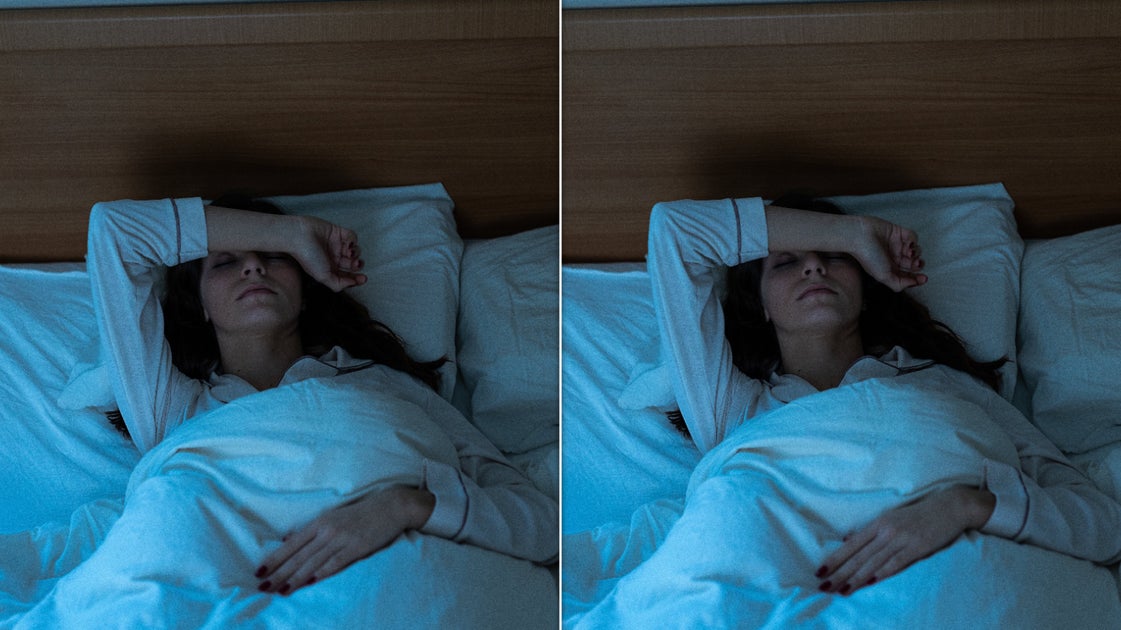
    New research shows that exposure to light at night puts folks at higher risk of cardiovascular issues such as heart failure.

    sestovic via Getty Images

    New research shows that exposure to light at night puts folks at higher risk of cardiovascular issues such as heart failure.

    Practice good sleep hygiene ― including eliminating nighttime light exposure ― to get quality sleep.

    While more research is needed to determine the exact ways that nighttime light is linked to cardiovascular health, limiting your exposure is a good way to minimize your risk of heart disease.

    “We have a population that does not really sleep as well as they should, and does not value sleep as much,” Aneni said.

    Adults should aim for seven to nine hours of sleep and should try to go to bed and wake up at about the same time every day.

    “The healthier your sleep is, the healthier you are,” Aneni added. “And, in terms of cardiovascular disease, the healthier sleep you get, the lower your cardiovascular disease risk.”

    Beyond turning off lights when you sleep, limiting bright lights from screens before bed and prioritizing rest, there are other things you can do for better heart health.

    Stories ThatInspireYou

    Your SupportFuelsOur Mission

    Your SupportFuelsOur Mission

    Become a Member Today

    As the year ends, our reporting does not slow down. Support the journalists who continue asking questions and telling stories with depth and care. Your membership today helps ensure we start the new year strong.

    We remain committed to providing you with the unflinching, fact-based journalism everyone deserves.

    Thank you again for your support along the way. We’re truly grateful for readers like you! Your initial support helped get us here and bolstered our newsroom, which kept us strong during uncertain times. Now as we continue, we need your help more than ever. We hope you will join us once again.

    We remain committed to providing you with the unflinching, fact-based journalism everyone deserves.

    Thank you again for your support along the way. We’re truly grateful for readers like you! Your initial support helped get us here and bolstered our newsroom, which kept us strong during uncertain times. Now as we continue, we need your help more than ever. We hope you will join us once again.

    Support HuffPost

    Already a member? Log in to hide these messages.

    Slivnick said he often directs patients to the American Heart Association’s Life Essential 8, which are eight guidelines to follow for optimal cardiovascular health. These guidelines encompass:

    • Eating a nutritious diet that’s high in vegetables, lean protein, fruit, nuts and seeds.

    • Getting at least 120 minutes each week of moderate intensity exercise (such as walking or gardening) or 75 minutes of vigorous (such as running or swimming).

    • Quitting smoking.

    • Sleeping seven to nine hours each night.

    • Managing weight.

    • Managing cholesterol.

    • Managing blood sugar.

    • Managing blood pressure.

    “If we do those eight things, we really can do a major part at controlling our risk of having cardiovascular disease,” Slivnick said.

    View original article here

    Share. Facebook Twitter LinkedIn Email Reddit
    Previous Article12 great examples of welcome emails for new customers [templates]
    Next Article All the New Features Coming to iOS 26.2

    Related Posts

    The 1 Unexpected Sign Of Colon Cancer

    June 2, 2026
    Read More

    ‘Rucking’ Is The Walking Trend You Need To Try. Here’s Why.

    June 1, 2026
    Read More

    19 Male Celebrities Got Honest About Body Dysmorphia

    May 31, 2026
    Read More
    Add A Comment

    Leave A Reply Cancel Reply

    Demo
    Top Posts

    Former FBI, CIA Head Has ‘Serious Concerns’ With Trump Cabinet Picks

    December 28, 2024435

    Emirates to operate next-gen A350 on the third daily service to Cape Town

    January 14, 2026256

    AAVE Price Prediction: Target $215-225 by Mid-January 2025 as Technical Indicators Signal Bullish Momentum

    December 15, 2025240

    Ventive Hospitality Joins Green Fins: Strong ESG Lift

    February 17, 2026211
    Don't Miss
    Investment

    Talk Your Book: Why Rising Rates Won’t Hurt You Anymore

    By Staff WriterJune 2, 20263 Mins Read

    Posted June 1, 2026 by Ben Carlson Today’s Talk Your Book is brought to you…

    Read More

    Dave Rubin Mocked For Not Naming What Trump Has Made ‘Better’

    June 2, 2026

    Scott Pelley Accuses CBS News Boss of ‘Murdering’ ‘60 Minutes’

    June 2, 2026

    CBS News Staffers Taking A Stand Against Trump-Aligned Boss: Report

    June 2, 2026
    Stay In Touch
    • Facebook
    • Twitter
    Demo
    About Us

    Small Business Minder brings together business and related news from around the world in one place. Follow us for all the business news you'll need.

    Facebook X (Twitter)
    Our Picks

    Talk Your Book: Why Rising Rates Won’t Hurt You Anymore

    June 2, 2026

    Dave Rubin Mocked For Not Naming What Trump Has Made ‘Better’

    June 2, 2026
    Most Popular

    Former FBI, CIA Head Has ‘Serious Concerns’ With Trump Cabinet Picks

    December 28, 2024435

    Emirates to operate next-gen A350 on the third daily service to Cape Town

    January 14, 2026256
    © 2026 Small Business Minder
    • Home
    • Get In Touch

    Type above and press Enter to search. Press Esc to cancel.

    Ad Blocker Enabled!
    Ad Blocker Enabled!
    Our website is made possible by displaying online advertisements to our visitors. To get the most from our site, please disable your Ad Blocker.