
The estimated price tag for President Biden’s clean-energy and climate agenda has effectively doubled since the Inflation Reduction Act was signed into law a year and a half ago.
Nearly all of the increase is attributable to forecasters’ belief that the law will be more popular than they had originally expected, in part because of the way the Biden administration wrote certain regulations. That rising price tag may actually be good for reducing greenhouse gas emissions — and for the U.S. economy.
The Inflation Reduction Act, which Democrats passed on a party-line vote in summer 2022, includes tax credits and other subsidies for low-emission energy technologies that are meant to help wean the nation from fossil fuels.
Many of those credits are effectively unlimited, meaning the more people or companies choose to claim them, the more they will add to federal deficits. The uncapped credits include incentives for manufacturers to build solar-panel or wind-turbine factories, and for consumers to buy electric vehicles. Budget scorekeepers have to estimate how popular those credits will be, in order to forecast how much they’ll cost.
When the law passed, the nonpartisan Congressional Budget Office published an estimate based on work by the congressional Joint Committee on Taxation projecting that the energy components would add $391 billion to deficits over a decade, from 2022 to 2031. It revised those forecasts upward last spring and again on Wednesday based on joint committee calculations.
The new forecasts project the energy incentives in the law will cost about twice that much for that 2022 to 2031 period. For the next decade, through 2033, the budget office projects the provisions will cost more than $800 billion.
Here is what has changed, and why it matters for emissions, the economy and the budget.
Clean-energy manufacturing is booming.
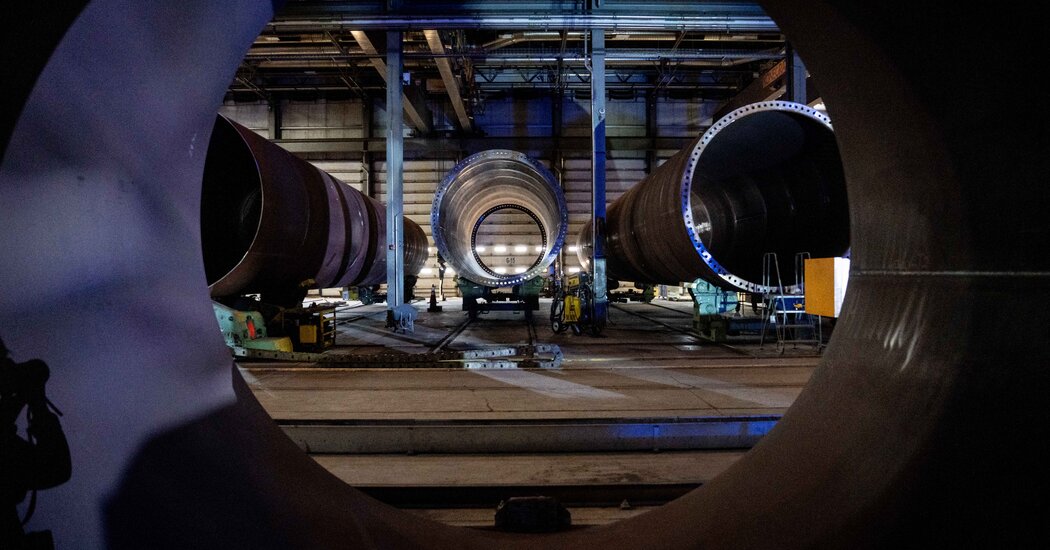
The law has supercharged investment in American manufacturing facilities of some low-emission technologies, led by solar panels, advanced batteries and the full supply chain for electric vehicles.
An investment tracker by the Rhodium Group, a consultancy that follows energy and climate spending, and the Massachusetts Institute of Technology shows companies spent $44 billion on clean-energy manufacturing in America over the past year, with significantly more planned in the years ahead. Those companies will benefit from the tax breaks in the climate law, either directly or indirectly.
The popularity of those credits has surprised forecasters. Budget office officials said Wednesday that they now expected the provisions to add about $205 billion more to deficits through 2031 than they had initially anticipated, based on joint committee estimates.
Electric vehicles could also surge.
Forecasters now expect the consumer credit for electric vehicles, which is as much as $7,500 for an electric car or truck, to cost several times as much as initially expected. That calculation isn’t really based on sales of electric vehicles, which hit a record last year even though annual sales growth slowed from 2022. It stems from a pair of Biden administration regulations that are meant to fuel more electric vehicle sales — and which the budget office expects to be quite effective.
The first regulation is in place and expanding access to the electric-vehicle credit. The I.R.A. doesn’t allow every electric vehicle sold in America to qualify for the credit. It restricts the subsidies to cars and trucks that are largely sourced and assembled in the United States, in order to support domestic manufacturing. But there is a loophole, which was codified by a Treasury Department regulation: Car shoppers who lease, instead of buy, their electric vehicles can effectively receive the full credit even if their vehicles do not otherwise meet sourcing and manufacturing requirements. Not coincidentally, electric-vehicle leases shot up last year.
The second regulation is a proposal from the Environmental Protection Agency that could result in two-thirds of new passenger cars sold in the United States to be all-electric by 2032. The budget office estimates that regulation, once finalized, will incentivize more Americans to buy electric vehicles and cash in on the tax credit. They’ll also burn less gasoline, which will reduce federal gas tax revenues.
Concerted climate action could help the economy and the budget.
Rhodium modelers estimated last year the I.R.A. will result in a steep cut to U.S. emissions, though not quite enough to meet the nation’s pledges for 2030 under the Paris Agreement on climate change. The rising costs in the law suggest it could spur even deeper emissions cuts than those forecasts.

A more effective Biden climate agenda could potentially catalyze more ambitious global action to cut emissions and avert economically catastrophic warming levels. Administration officials have warned the risks of climate inaction are large for the economy and the budget. In 2022, the White House budget office estimated unchecked climate change could reduce the size of the economy by as much as one-tenth by the end of this century.
They also estimated climate damages could force the government to spend an extra $1 trillion or more in today’s dollars over the course of a decade on flood insurance, disaster relief, health care costs from heat waves, and more.
But the climate law now probably adds to the deficit.
The I.R.A. was more than a climate law. It also raised some corporate taxes, increased subsidies for some people who buy health coverage through the Affordable Care Act and cut federal spending on prescription drugs by allowing the government to negotiate prices with pharmaceutical companies. It also gave more money to the Internal Revenue Service to crack down on corporations and high earners who have been able to avoid paying taxes they owe. The net result, the budget office initially estimated, was a law that slightly reduced deficits over a decade.
The rising cost of the energy and climate incentives now flips that math. The law, by the C.B.O. and J.C.T. accounting, is on track to add slightly to deficits from 2022 to 2031.
Biden officials still contend the law will reduce deficits on net. They estimated this week that the I.R.S. enforcement efforts will bring in $432 billion from 2022 to 2031, which is $252 billion more than the budget office forecast. Treasury officials say that is more than enough, by their math, to offset the losses from a more successful climate effort and ensure the law still reduces deficits.
“The Inflation Reduction Act is bringing billions in private-sector capital off the sidelines to invest in America,” Michael Kikukawa, a White House spokesman, said Thursday. He said the law “will reduce the deficit over the long run by cutting wasteful spending on special interests, making big corporations pay their fair share and cracking down on wealthy tax cheats.”