
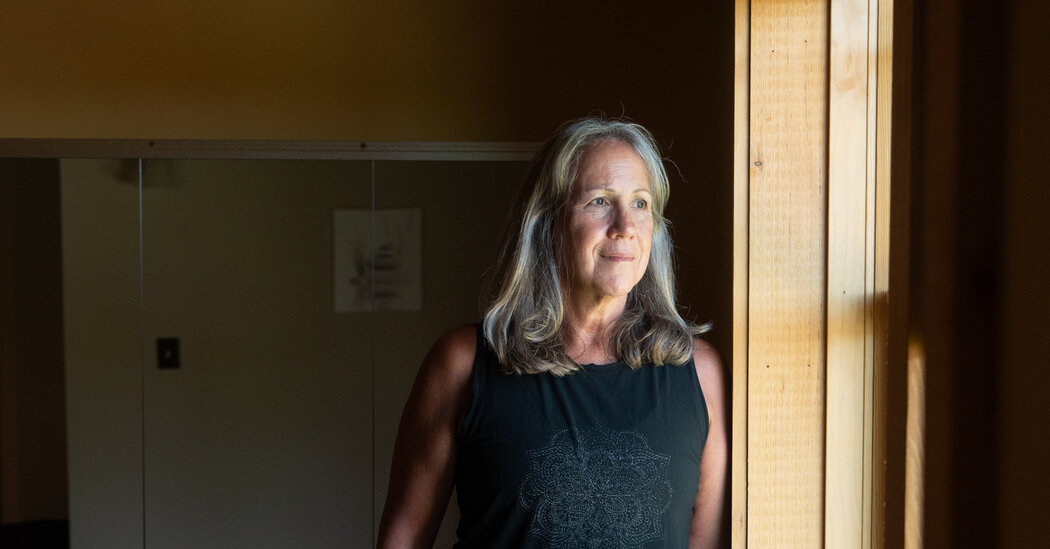

Two years later, Ms. Klohmann and her husband, Neil, 67, turned a rental home they own into her fitness studio. Besides teaching her classes, she travels to Costa Rica and other locales to teach at resorts. Her husband, a retired pilot, is starting his own small-boat charter business. He started receiving Social Security retirement benefits; Ms. Klohmann is holding off.
“We looked at when we might take Social Security and potential inheritances,” Ms. Klohmann said. “Our planner mapped it out and said, ‘You can retire and do these things you want to do now.’”
Other retirees stop working entirely for a while and then return part-time or as consultants, aiming to balance the social and mental stimulation with shorter hours and less stress than in a full-time job. An AARP study published early this year found that of the 7 percent of retirees returning to work, 15 percent cited boredom as the reason, with 14 percent saying they were motivated to help others. Still, nearly half said they needed the money.
“People unretire, I think, largely because it was part of their plan to do that all along,” said Geoffrey Sanzenbacher, a research fellow at the Center for Retirement Research at Boston College, who said that academic literature finds that nearly a quarter of retirees unretire at some point. “They’re stressed, they’re done, they retire, and at some point they’re recharged and they come back to work, especially the more educated group, where there’s not a physical component to the job.”
Work that is physically demanding and low-wage jobs extend inequality in the labor force to inequality in retirement, too, denying the benefits of a lengthier retirement to many older Americans, Mr. Sanzenbacher added. Black and Hispanic Americans, or people who live in multigenerational households where they support parents or children and grandchildren, are among the groups most likely to keep working well past retirement age.