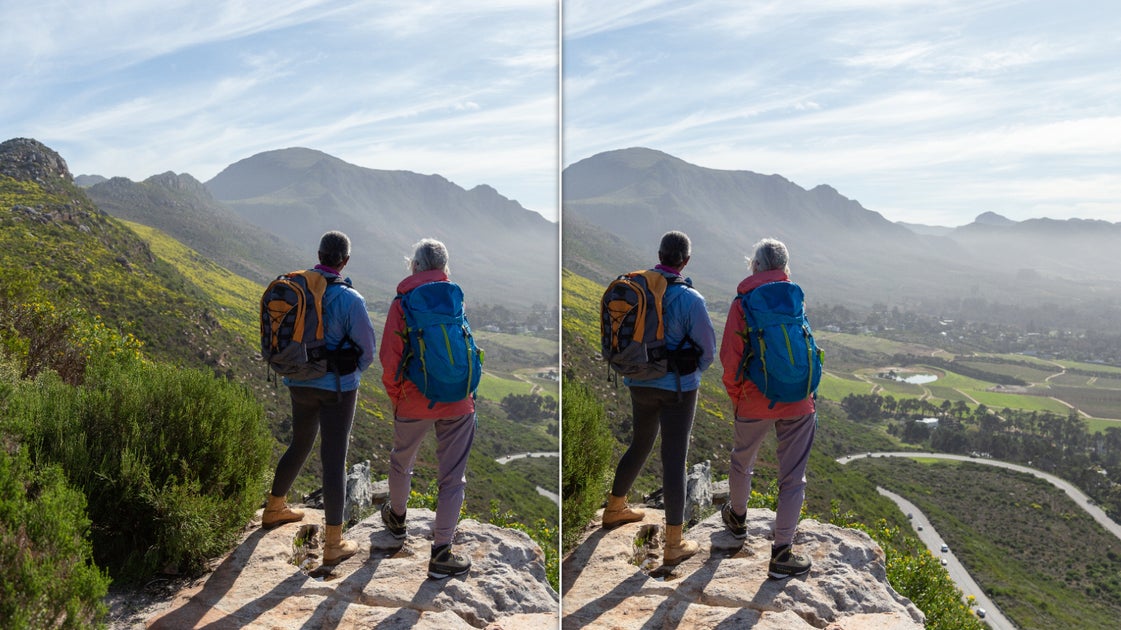

“Type 2 fun! Type 2 fun!” I yelled as my college friends and I scaled the side of a snow-covered mountain at Glacier National Park earlier this summer. “Type 2 what?” my friend Michele yelled back.
Truthfully, I had just learned about the concept of type 2 fun after coming across a popular Masterclass led by Jessie Krebs, a global survival instructor, but the topic resonated, especially on a challenging high-altitude hike.
Type 2 fun is different than the tried-and-true activities that come to mind when you think of fun, such as board games and birthday parties. Instead, type 2 fun is “something that wasn’t fun at the time, very much fun later, or at least something that felt like you got a sense of accomplishment out of it,” Krebs told HuffPost.
“I think probably about half of the stories that a lot of people tell are stories like that [of type 2 fun], when everything went wrong,” Krebs said.
For some people, type 2 fun is physical (hiking, mountain biking, skiing, running a marathon, camping, kickboxing or competing in a 5K), but it doesn’t have to be. It could be learning a new language, cooking a meal from scratch or doing a hard puzzle, said Tori-Lyn Mills, a licensed clinical professional counselor with Thriveworks in Columbia, Maryland.
Whatever type 2 fun is for you, it has all sorts of benefits for your mind and body.
“It’s an experience that doesn’t necessarily feel enjoyable while it’s happening, but I think that it can become deeply satisfying, meaningful or even joyful when we look back on it,” added Rebecca Moravec, a licensed professional counselor, trauma therapist and founder of Full Bloom Counseling in Denver.
Experts told HuffPost we all likely need more type 2 fun in our lives. Here’s why:
“Type 2 fun” helps build self-confidence and our sense of self.
Why seek out challenging type 2 fun instead of straightforward type 1 fun?
“I think we do it because it feels deeply satisfying after,” said Moravec. “It feels like a sense of accomplishment, and I think that our brains and our resilience really needs challenges like that.”
Our brains are “prediction machines” with a primary job of survival, not happiness, Moravec added.
“We’re constantly asking, ‘Is this safe, is this familiar, is this worth the energy?’ And type 2 fun doesn’t check any of those boxes,” she said.
“Type 2 fun lets us seek novelty and uncertainty, physical exertion and even social vulnerability,” said Moravec. This kind of fun offers a challenge, which doesn’t mean it’s dangerous; it’s just different, Moravec added.

When doing type 2 fun, “You see a new capacity in yourself, so overall it can enhance your relationship with yourself through increased self-awareness, achievement,” said Mills.
“I think that it can give us a sense of self, it can give us confidence, it gives us dopamine … [which is] also involved in motivation and anticipation and pursuing goals,” Moravec said.
More, our brains learn that we are able to do difficult tasks, Moravec said. “And that’s incredible confidence-building,” she noted.
Type 2 fun is also empowering, added Krebs. ”[It] helps us realize both that we can face adversity and overcome it,” said Krebs.
“We’ve got so many challenges facing us right now as a society, so many things, politically, socially, environmentally, on so many different levels, that being able to face that adversity with an attitude of ‘I can do this, we can figure this out, because we’ve done it in the past,’ that’s one of the most valuable things that type 2 fun gives us as a culture,” Krebs said.

Aflo Images via Getty Images
It helps us better handle discomfort and distress.
“It seems like we’ve got a world that’s more and more comfortable, and it’s harder and harder for people to realize that type 2 fun has a lot of value,” said Krebs.
Hiking, camping, running a half-marathon, learning a new language, weightlifting, along with other kinds of type 2 fun, create appreciation for the mundane aspects of life.
“Without a little bit of contrast in life, it can feel really dull and monotonous, and we start to take things for granted,” said Krebs.
For instance, if you never sleep on a hard surface while camping, you may take soft beds and cozy blankets for granted, she said. “It really brings a sense of appreciation and new joy to what we would consider mundane or everyday things,” added Krebs.
“There’s emotional health when it comes to doing challenging things, especially today, because I think we are constantly and unintentionally … optimizing for comfort,” said Moravec.
Think about it: We stream TV shows and movies, get food delivered, clothing delivered, scroll, avoid awkwardness and cancel plans when they feel inconvenient, she noted.
And while it is necessary to protect your peace from time to time, when done too much, it can create a problem.
“I think that our resilience tends to shrink, and I think we can see that,” said Moravec. “When I look at our need for comfort, I think it really limits us, and I think type 2 fun can expand that tolerance for distress or frustration or delayed gratification, and promote more emotional flexibility,” she noted.
Discomfort is not always a bad thing, Moravec added. It can be a way to expand your interests, friendships and even your world. It also expands your comfort zone, added Mills.
“It’s very important to say the type 2 fun isn’t about glorifying suffering. I want something to be a manageable challenge and not overwhelmingly stressful,” Moravec said.
Goal-setting is a part of “type 2 fun,” and can be a way to build trust in yourself.
“Simple goal setting could be a type of type 2 fun,” said Krebs. “I don’t know that there’s any goal you’re ever going to have that is going to be easy the whole way, that’s not usually how goals work,” said Krebs.
This is true for outdoorsy feats like extreme camping or rock climbing, but also can encompass things like getting paperwork done or doing your taxes, said Krebs. Paperwork is not fun in the moment, but it’s rewarding to look back and have it completed, which makes it a kind of type 2 fun, Krebs noted.
Setting goals also allows us to better trust ourselves and connect with ourselves, said Moravec.
“You begin to trust that you can move through discomfort and that you can come out the other side with more confidence and self-efficacy,” said Moravec.

Alistair Berg / Getty Images
‘Type 2 fun’ makes you exist in the present moment, which is good for your mental health.
When it comes to type 2 fun, whether you’re doing a tough workout, kayaking down a quick-moving river or learning a new language, you have to be present. “That can be really also good for our mental health,” said Moravec.
Type 2 fun can ground us in the here and now, which can help combat feelings of anxiety or sadness, she added.
“So much of our mental health is about two different things; anxiety can be about future focus and future worries, the ‘what ifs,’ all the scenarios,” said Moravec.
“Sadness can be past-focused — grief, right? — but presence allows us to be in the here and now, which takes us out of that future or past place and allows us to be present to what exists that is not bad,” she said.
“If I slow down and I’m present, I can notice the things, I can notice the friendship I’m having with the person who I’m doing this type 2 fun with, or I can notice the beauty if I’m outside, or I can even connect to myself,” she said.
This can create a sense of relief, Moravec noted, which is important in a world where we are constantly inundated with horrible things.
Here’s how you can try “type 2 fun.”
Type 2 fun is “crucial for humanity,” Krebs added, “if we want to move forward both on a personal and a societal level, for us to jump in and take chances, and hopefully move to towards something brighter.”
But, in a world where we’re so often told it’s “stupid” to try new things as an adult or it’s “not worth” wasting time on something you’re not good at, it can feel foreign to engage in type 2 fun.
“Type 2 fun needs to be rooted in choice, agency and meaning,” said Moravec.
You shouldn’t sign up for something that terrifies you or bores you. When considering what type 2 fun is for you, find your passion, said Krebs. Maybe it’s fishing, hiking, skydiving, cake decorating or starting therapy; type 2 fun looks different for everyone.
If you can’t think of something that piques your interest now, go back to when you were a kid, Krebs said. What were you passionate about then? Fossils? Bird watching? Swimming? Woodworking? Bring that passion into your life now. (Plus, kids are best at type 2 fun, added Moravec.)
“If you have that passion, and Joseph Campbell [a writer and teacher] is the one who said, ‘follow your bliss,’” said Krebs, “what do you feel passionate about? And if you’re not doing it, find a way to get that into your life.”
Once you know the kind of activity you want to engage in, it’s helpful to find a community to do it with, whether that’s your partner, neighbor, a run club, a hiking group or a guided class. Taking part in type 2 fun with other people is a way to build and deepen relationships, Moravec said.
Again, if you do go the physical route for type 2 fun, safety is paramount — but you also shouldn’t talk yourself out of something just because it’s a little scary.
Moravec said you should ask yourself: “Is this safe or is this just unfamiliar. Or, am I avoiding discomfort, or can I handle discomfort? Because I think this is where growth happens, when we push our growth edge is when we’re a little bit uncomfortable, but not unsafe,” she noted.
These types of activities are exhilarating, highly rewarding and likely will be the stories you tell for years and years to come.
“If every decision we make is filtered through, ‘will this feel good now,’ because type 2 fun does not feel good in the moment, we might accidentally miss experiences that make us feel alive,” said Moravec.