
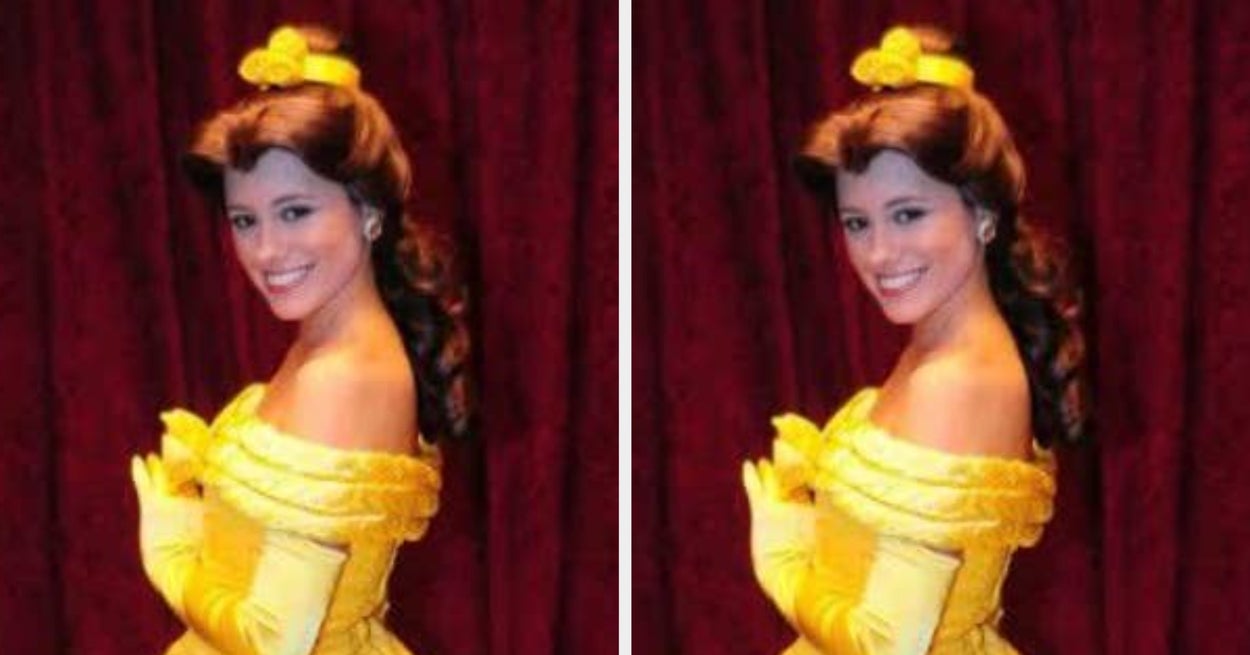

Disney’s economy has rarely suffered because there will always be people who seek safety in nostalgia. Visitors can interact with — or even become — the characters they admire, remember what it feels like to believe in happy endings, and live vicariously through the joy of their children.
I worked at Disney for three years, and I didn’t learn a thing about myself. Disney is like high school. It solidified my identity through cliques, but did not expand it. Being a character is not all it’s cracked up to be, and making magic is not the same as experiencing it.
These days, I see Disney as a glittering pink castle placed atop a stagnant Florida marsh. You can dress it up all you want, but at the end of the day, it’s still hot, crowded and overrated. The fantasy only works when it’s carefully maintained, and someone always has to be backstage or sweating inside a costume to hold the illusion together.
If you are headed there tomorrow, go. Let yourself believe in magic. Take pictures, cry at the fireworks, hold your child’s hand a little longer than you normally might. Don’t listen to me — I never loved Disney to begin with, so I couldn’t fall out of love with it when I left.
I still enjoy watching my husband, who is new to the “wonderful world of Disney,” explore the parks. I still find myself talking like Belle when I’m on a professional call, and Fawn will always be a part of me. I watch most of the Disney films, because, as intended, they bring me comfort and inspiration.
Knowing what I know now has not ruined Disney for me. I see it as I always did: a theme park designed for entertainment and escapism. I am disappointed that I didn’t find anything magical while I worked there, but I guess that’s the point: There is no real magic behind the curtain, only what we create in front of it.
Michalla Brianna is an author, CEO/founder of Barrie Patch Books & The Healing Arts LLC, as well as an executive producer, podcast host, clinical counselor, and expressive arts therapist. She holds five university degrees in creative writing and psychology. This essay is part of a memoir told in vignettes.
This article originally appeared on HuffPost in May 2026.