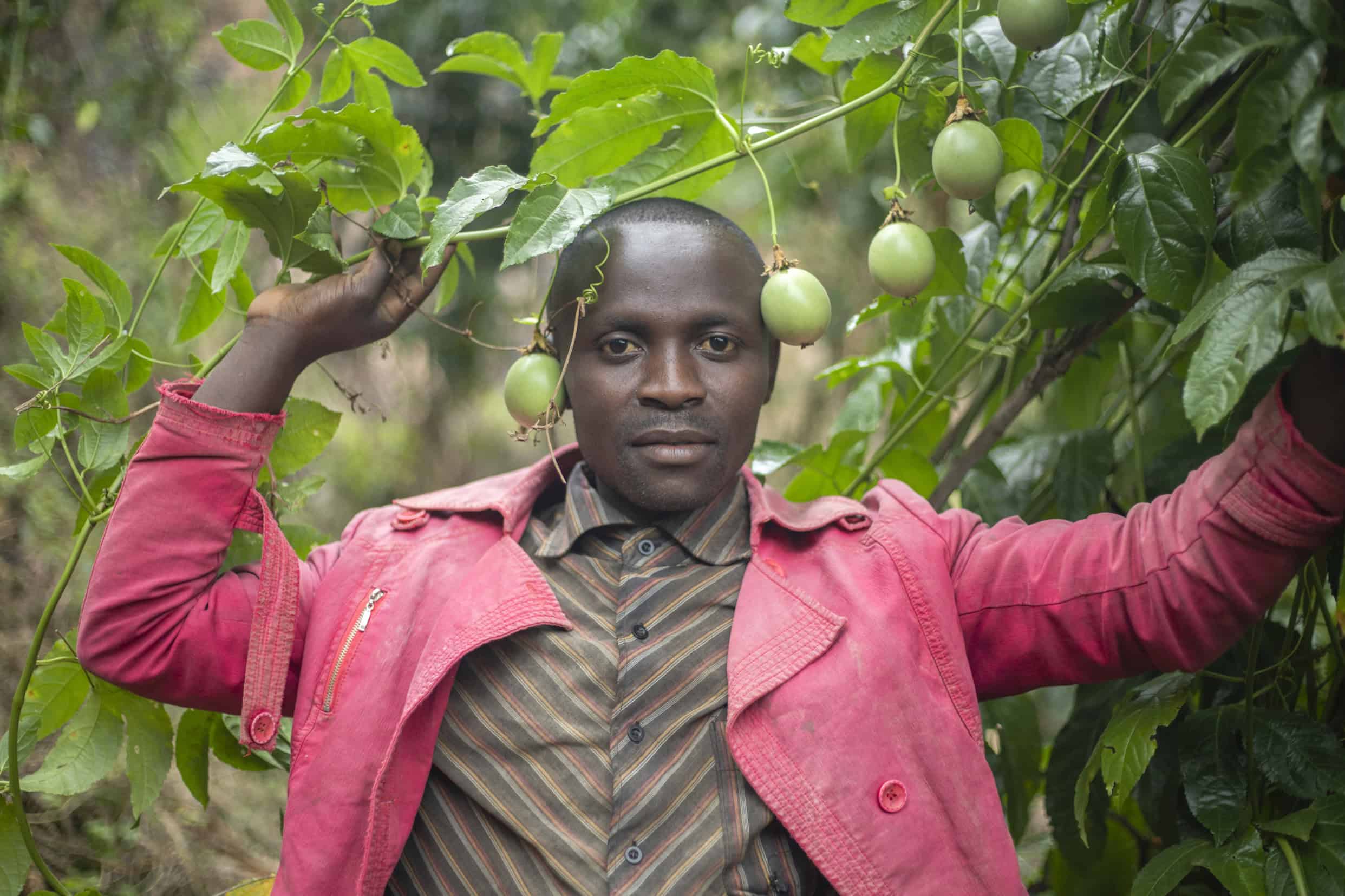

More than 180 years ago, the foundation was laid for a pioneering new business model. Today, come economic strife or extreme weather, the global co-operative movement is stronger than ever
No toilets, expensive food of dubious quality, crowded housing. This was the reality for many in 1840s Britain. And it was set to get worse: cholera had already claimed the lives of 50,000 people in the UK and another epidemic was looming. “It was a particularly bad time for the economy,” says Liz McIvor, manager of the UK- based Co-operative Heritage Trust. “People were out of work and certain areas faced starvation.”
Something had to change. And the Rochdale Pioneers knew it.
The group of 28 artisans and cotton weavers from an area that today forms part of greater Manchester, wanted to start a co-operative society in order to provide their community with affordable and unadulterated food.
But that wasn’t the full thrust of their intent. They were determined to harness the albeit limited power of the working-class wage for the benefit of working- class people, explains McIvor. This was about much more than food, but improving opportunities and quality of life. In short, by forming the Rochdale Equitable Pioneers Society – the first co-operative of its day to find real success – they built a business that could improve life for their community. Their small grocery shop started by selling only flour, sugar, oatmeal and butter and opened just before Christmas 1844. Any profit was shared among member-owners.
With this, the co-operative movement took root. By the end of the 19th century, there were an estimated 1,400 co-ops with 1 million members in Britain, and in 1895 the International Co-operative Alliance was set up in London to unite the global co-op community.
Today, these businesses employ some 280 million people around the world – 10% of the employed population, according to Co-operatives UK. Approximately 3m co-ops with an astonishing 1.2bn members, more than an eighth of the world’s population, exist internationally.
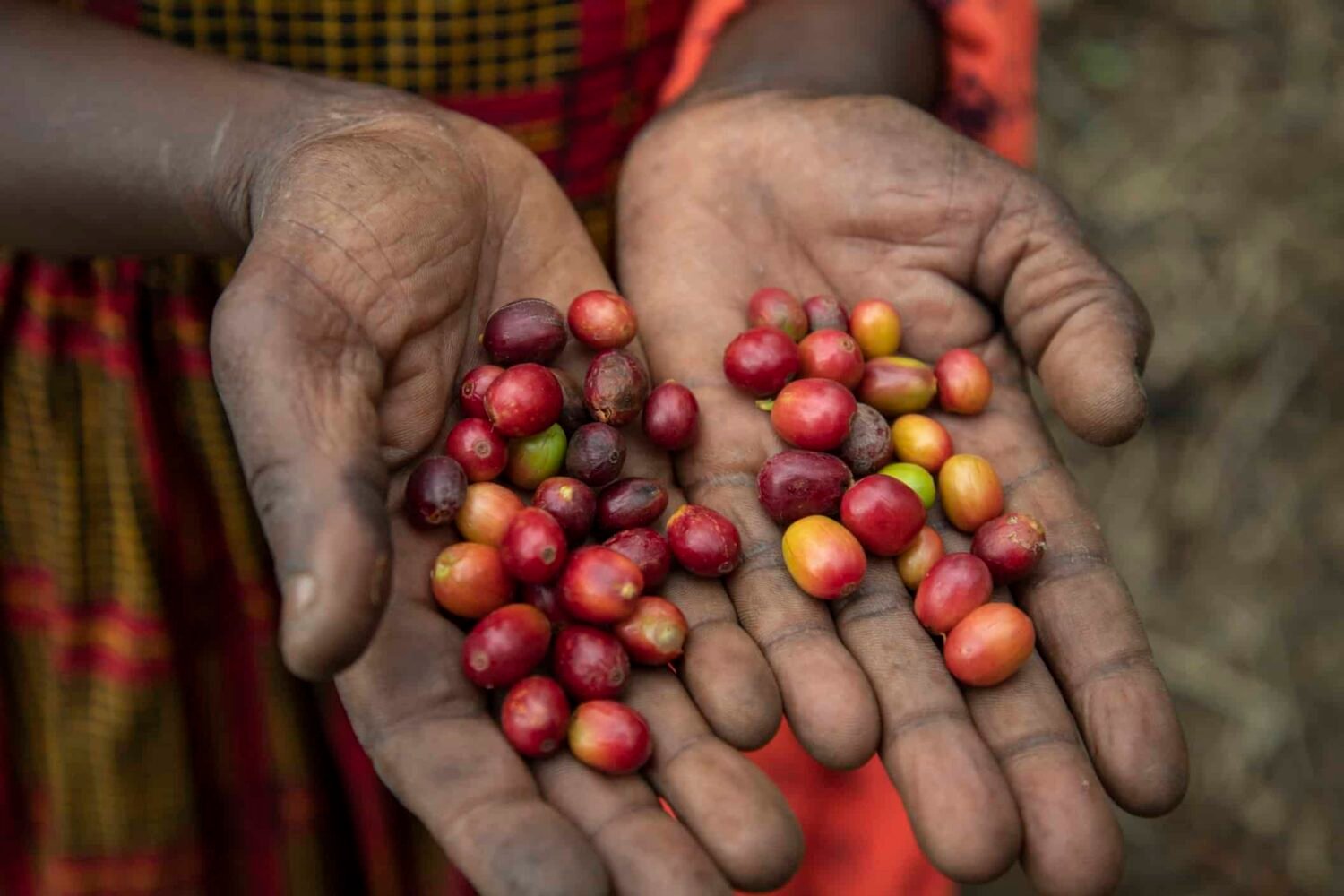
Smallholder communities such as coffee farmers collectively provide around a third of the world’s food. Image: Shared Interest
Going global
Shared Interest is a UK-based social lender that supports farmers and handcraft producers in 47 countries around the world. From sphagnum moss farmers in Peru to coffee farmers in Rwanda, the organisation provides finance for smallholder communities that collectively provide around a third of the world’s food but are often stuck in cycles of poverty.

The blueprint for the co-operative model was formed more than 180 years ago in Rochdale – a cultural and geographic context vastly different to that of the organisations Shared Interest works with today. And yet, this type of business structure and the principles behind it, make a lot of sense for smallholder farmers, according to Patricia Alexander, Shared Interest’s managing director.
By creating a co-op, it helps them to form a stronger community and a powerful collective voice
“The farmers and artisans we’re working with are in very remote, disparate areas,” she explains. By creating a co-operative, it helps them to form a stronger community and a powerful collective voice. “They might harvest on one farm one day, then they’ll all go and harvest on another farm another day. Instead of working independently, they’re working together as a group to benefit each other,” she says.
For Fairtrade certified producers – who must form co-operatives in order to become certified – the Fairtrade premium has proved invaluable. The extra sum paid to help improve producers’ quality of life might go towards new schools or clean water infrastructure. Working co-operatively can also help build much-needed resilience in the face of a changing climate. Alexander explains that she has seen a knock-on effect, whereby farmers who invest in technology to help insulate them from the climate crisis influence others to spend their money that way. “When they see the advantage that this investment has made, they all follow on.”
Being part of a larger co-operative is instrumental in getting a fair price as well. Uganda-based coffee producer Bukonzo Organic Farmers Cooperative Union (BOCU), which Shared Interest has supported since 2014, is a second level co-operative. This means it negotiates prices, undertakes marketing and manages export on behalf of 13 smaller primary co-ops. Having this tiered system is crucial for small-scale farmers who don’t speak English or have the negotiating skills necessary to secure a good price, notes Alexander. Without BOCU, farmers would end up selling locally or to ‘coyotes’: unscrupulous buyers “who walk around with bags of cash”. Being part of BOCU has proved a boon for its members. But life remains hard.
“Tourists see a very different Uganda to the one in these remote villages,” says Alexander. “The villagers don’t have anything, but they want to share everything with you. They’re so welcoming and open. I have no idea how they manage in these tough circumstances but the sense of community is just incredible.”
Images: Shared Interest